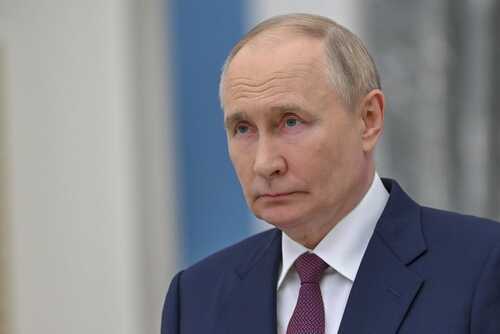
Russia’s stunning abandonment of its long-time ally Nicolás Maduro in late 2025 has exposed the limitations of Vladimir Putin’s global reach, forcing a humiliating retreat from the Western Hemisphere. Despite having invested over $20 billion in Venezuela since 2005, Moscow offered no meaningful resistance when the Trump administration intervened decisively to oust Maduro. This marks a historic shift from the 2019 crisis, demonstrating how the ongoing conflict in Ukraine has severely constrained Russia’s capacity for global power projection, while renewed American strength reasserts Monroe Doctrine principles in Latin America.
Story Highlights
- Putin failed to deploy Wagner forces or military support despite $20+ billion investment in Venezuela since 2005.
- Trump administration’s direct intervention succeeded where previous efforts failed, forcing Maduro’s ouster in late 2025.
- Russia’s inaction marks historic shift from 2019 crisis when Moscow sent bombers and security forces.
- American reassertion of Monroe Doctrine principles pushes Russian influence out of Latin America.
Putin’s Strategic Miscalculation Leaves Ally Defenseless
Vladimir Putin’s decision to abandon Nicolás Maduro represents a catastrophic failure of Russian foreign policy that exposes Moscow’s diminished global capabilities. Despite investing over $20 billion in arms sales and maintaining extensive intelligence networks throughout Venezuela since Hugo Chávez’s rise in 1999, Russia offered no meaningful resistance when U.S. forces moved decisively in late 2025. This marks a stark contrast to previous crises, particularly the 2019 Guaidó challenge, when Russia deployed Wagner mercenaries, conducted bomber flights, and provided direct security assistance to prop up the failing regime.
China and Russia betrayed Maduro.
Many expected more from them, especially given how close Maduro was as an ally. Russia has lost Syria, failed to protect Iran, and now appears to have abandoned Maduro.
The question is: can Russia and China truly be trusted as allies? pic.twitter.com/gyhk7HlAGg
— AD Big brother (@Ad_Paul6) January 5, 2026
Ukraine War Diverts Russian Resources From Latin America
The ongoing conflict in Ukraine has severely constrained Russia’s ability to project power globally, forcing Moscow to prioritize core strategic interests over peripheral allies like Venezuela. Since February 2022, Russian-Venezuelan exchanges have significantly decreased as Venezuela’s economic collapse reduced its utility for sanctions evasion and regional power projection. While Russia maintained rhetorical support for Maduro through 2024 elections and condemned U.S. “provocations” in November 2025, Putin ultimately calculated that Venezuela’s strategic value could not justify escalation against renewed American military intervention under Trump’s leadership.
American Strength Reasserts Monroe Doctrine Principles
The Trump administration’s successful operation demonstrates renewed American commitment to hemispheric security and the Monroe Doctrine’s foundational principle that foreign powers have no place interfering in the Western Hemisphere. Unlike previous administrations that relied primarily on sanctions and diplomatic pressure, Trump’s direct military action achieved what years of economic warfare could not accomplish. This decisive approach sends a clear message to other adversaries like China and Iran that America will no longer tolerate hostile foreign influence in its traditional sphere of influence.
Venezuelan Military Faces Choice Between Russian Influence and American Power
With Maduro removed, Venezuela’s military leadership confronts a stark choice between continued alignment with weakened Russian interests and accommodation with dominant American power. Russia retains some economic partnerships through oil deals and debt arrangements, positioning itself to exploit potential crisis or co-opt Chavista successors. However, the Venezuelan Defense Ministry, which deepened ties with Russia following the 2019 Guaidó uprising, now must balance pragmatic considerations against ideological commitments as the Trump administration supervises Venezuela’s democratic transition.
Russia’s Reputation as Unreliable Partner Suffers Permanent Damage
Moscow’s failure to protect Maduro devastates Russia’s credibility among authoritarian allies worldwide, demonstrating that Putin’s support cannot be counted upon when facing determined American opposition. This abandonment parallels Russia’s inconsistent support for Syria’s Assad regime and confirms a pattern where Moscow prioritizes self-preservation over alliance commitments. The loss of Venezuela as Russia’s primary Latin American military client eliminates a crucial platform for anti-American activities and sanctions evasion, while signaling to other rogue regimes that Russian partnership offers limited protection against American resolve.
Watch the report: Venezuela’s Heavy Investment in Arms Couldn’t Stop the US — Who Is to Blame?
Sources:
- The Fall of Maduro: How Russia Lost an Ally but Gained a Like-Minded Thinker
- Russia loses ally in Venezuela but hopes to gain from Trump’s ‘Wild West’ realpolitik – CNBC Africa