

Israel just dropped more than 8,700 bombs across two nations in a military campaign so massive it dwarfs anything the Jewish state has unleashed in modern history, yet the full story of Operation Roaring Lion remains buried beneath casualty counts that nobody can agree on.
Story Snapshot
- Israeli forces conducted 7,600 strikes in Iran and 1,100 in Lebanon, deploying 200 fighter jets in the largest sortie in IDF history
- Casualties exceed 2,200 killed across Iran and Lebanon combined, with over 816,000 Lebanese civilians displaced from their homes
- The operation targeted Iran’s nuclear facilities, missile sites, and Hezbollah infrastructure following the killing of Supreme Leader Ali Khamenei
- United States participated alongside Israel, marking a coordinated effort aimed at toppling the Iranian regime and dismantling its proxy network
- Lebanon banned Hezbollah military activities as the weakened organization faces potential collapse amid relentless airstrikes
The Largest Military Sortie Israel Has Ever Launched
Operation Roaring Lion began February 28, 2026, when 200 Israeli fighter jets screamed across Middle Eastern skies carrying over 1,200 bombs destined for 500 military sites throughout Iran. The scale staggers the imagination. No previous Israeli operation comes close to this magnitude, not during the Six-Day War, not during Lebanon invasions, not ever. The IDF coordinated with American forces who launched dozens of their own strikes, targeting nuclear facilities and missile production sites that Western intelligence had tracked for years. Tehran’s oil facilities burned for the first time in this conflict, marking a deliberate escalation beyond military targets into economic infrastructure that sustains the Iranian regime.
When Hezbollah Miscalculated Its Defensive Strike
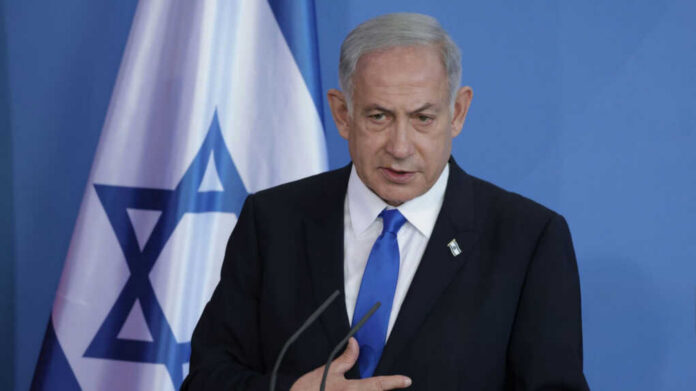
Hezbollah made a fatal error on March 2 when it launched what it called defensive strikes against Israel amid the Iran bombardment. Israeli leadership interpreted these attacks as a declaration of war, not the solidarity gesture Hezbollah likely intended. Within hours, Israeli jets pounded Beirut, forcing mass evacuations as the IDF systematically dismantled Hezbollah communication networks, weapons depots, and command centers. The strikes killed 41 people in Nabi Chit alone on March 4. By March 8, Israeli forces had eliminated Quds Force commanders in Beirut, and Prime Minister Netanyahu promised escalation would continue until Hezbollah ceased to exist as a military threat. The remnants of the 2024 ceasefire, already violated almost daily by Israeli incursions, evaporated completely.
The Human Cost Nobody Can Accurately Count
Iran claims between 1,444 and 4,205 killed, though American and Israeli sources suggest 4,000 to 5,000 Iranian military personnel died, with total deaths potentially exceeding 10,000. Lebanon reports 687 dead and 1,444 injured, with 52 killed in recent strikes alone as of March 11. Israel acknowledges 19 killed and 2,745 injured from Iranian missile barrages that launched 90-plus projectiles daily during the first four days of conflict. These missiles decreased in frequency but increased in destructive power as Iran adjusted tactics. The displacement crisis dwarfs the casualty figures. Over 816,000 Lebanese fled their homes, creating a humanitarian catastrophe that overwhelmed the Lebanese government and international relief agencies attempting to provide shelter and basic services.
Why Iran’s Missile Response Exposes Strategic Weakness
Iran fired hundreds of missiles at Israeli targets, yet the results reveal Tehran’s diminishing military capabilities rather than its strength. Israeli air defenses, bolstered by American technology and intelligence, intercepted the vast majority of incoming projectiles. The missiles that penetrated defenses caused damage but failed to achieve strategic objectives or force Israel to reconsider its campaign. Iran’s pivot from quantity to quality, launching fewer but larger missiles, suggests supply constraints or production bottlenecks. Meanwhile, Israel maintained air superiority throughout the conflict, striking targets at will across Iranian territory without meaningful aerial opposition. The asymmetry demonstrates why American and Israeli strategists believe regime collapse remains possible if military pressure continues.
The Regional Spillover That Markets Cannot Ignore
Eight Kuwaitis died when the conflict spilled beyond Iran and Lebanon into Gulf states where Iranian proxies attempted retaliatory strikes. Iraq faced attacks, air travel across the region halted, and global markets shuddered as oil facilities burned in Tehran. The economic implications extend beyond immediate disruptions. If Iran’s regime collapses, the geopolitical realignment would reshape Middle Eastern power dynamics for generations. Hezbollah’s potential dismantlement creates a power vacuum in Lebanon that nobody knows how to fill. The Lebanese government banned Hezbollah military activities, but enforcement remains questionable given the organization’s deep roots in Shia communities. Sami Nader from Saint Joseph University called this Lebanon’s tipping point, the moment when the nation either reclaims sovereignty or descends into chaos worse than its civil war.
What Netanyahu’s Escalation Promise Actually Means
Netanyahu told Lebanese civilians that whoever lays down arms saves their life, but he simultaneously demanded Lebanon take action beyond mere statements against Hezbollah. This impossible standard guarantees continued strikes regardless of Lebanese government compliance. The Israeli strategy aims not just at degrading Hezbollah but eliminating it entirely, a goal that requires destroying infrastructure embedded in civilian areas. International law prohibits white phosphorus use in populated zones, yet reports confirm Israeli forces deployed it in Lebanon. The legal violations matter less to Netanyahu than the strategic objective: creating conditions where Iran cannot project power through proxies. American support makes this possible, providing intelligence, weapons, and diplomatic cover that allows Israel to prosecute a campaign critics call disproportionate but defenders insist ensures long-term security.
Sources:
Israeli strikes kill at least 20 people in southern Lebanon – Euronews
Gauging the Impact of Massive U.S.-Israeli Strikes on Iran – Council on Foreign Relations