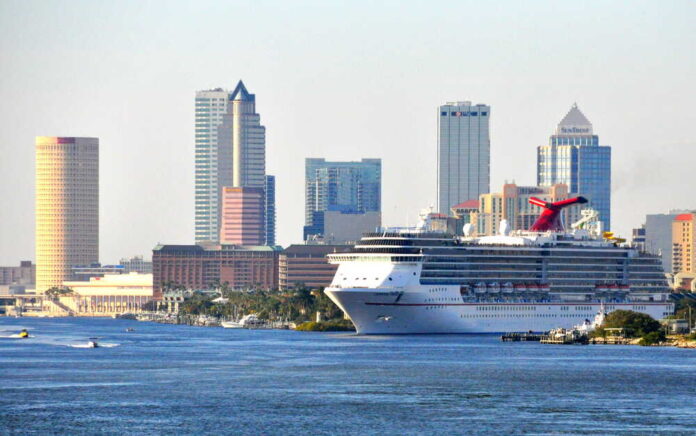
The U.S. Customs and Border Protection (CBP) is facing scrutiny over its inspection protocols for cruise ship passengers and crew at maritime entry points across the country, as drug trafficking via these routes continues to increase. A Department of Homeland Security Office of Inspector General (OIG) report, released in 2025, highlighted that minimal secondary inspections have created a vulnerability for illicit drugs to enter the U.S.
Story Highlights
- A 2025 OIG report confirmed that limited CBP inspections of cruise ship passengers and crew create a vulnerability for drug trafficking into the U.S.
- Federal watchdogs are urging CBP to reform its protocols and strengthen border enforcement at maritime entry points.
- Reported crime on cruise ships, including drug-related incidents, has increased since 2016.
- Industry and government stakeholders hold differing views regarding the sufficiency of current security measures.
Minimal Inspections Pose Border Vulnerability
U.S. Customs and Border Protection (CBP) practices have been criticized for conducting minimal secondary inspections on cruise ship passengers and crew, even as drug traffickers increasingly utilize these maritime routes. A 2025 report from the Department of Homeland Security’s Office of Inspector General (OIG) concluded that current protocols present a vulnerability, allowing illicit drugs and contraband to enter the country.
CBP field offices had raised concerns as early as 2023 that cruise ships—once considered low-risk compared to cargo vessels—were becoming a more significant pathway for drug smuggling. By 2024, intelligence bulletins from Miami indicated a rise in inbound cruise drug activity, but DHS auditors observed little change in screening practices through April 2025. The OIG’s report emphasized the need for a semiannual review, noting that high-traffic seaports like Miami and San Juan remain exposed.
Beware the ‘high’ seas: Border agents doing ‘minimal’ drug inspections of cruise ship passengers https://t.co/NiFCuxI9Gc pic.twitter.com/GN73uz78B3
— New York Post (@nypost) November 8, 2025
Rising Incidents and Industry Response
Reported crime on cruise ships has increased significantly since 2016. The first half of 2025 saw 91 reported incidents, with both passengers and crew being involved in drug seizures. Inspection rates, however, remain low.
The Cruise Lines International Association (CLIA) has stated its commitment to security, but advocacy groups, such as the National Crime Prevention Council (NCPC), argue that voluntary industry cooperation is not a sufficient replacement for mandated law enforcement. Analysts suggest that as controls tighten at cargo ports, traffickers are shifting to cruise terminals where oversight may be perceived as weaker, a trend supported by rising cocaine production and evolving smuggling routes in the Caribbean.
The cruise industry continues to emphasize reputation management and minimizing disruptions. Over 53 million cruise ship passengers traveled in 2023–2024, often passing through terminals where security standards vary widely.
Stakeholder Pressure and Calls for Reform
Stakeholders are advocating for changes to cruise ship security. CBP leadership is being pressed by the DHS OIG to update protocols and invest in more consistent inspections. Cruise operators, including Royal Caribbean and Carnival, are tasked with balancing commercial operations with public safety and regulatory compliance.
Increased public concern may lead to greater Congressional oversight. Advocacy groups are amplifying calls for comprehensive, multi-layered drug policy and improved cooperation between law enforcement and the industry. The potential long-term outcomes could include stricter regulations, increased scrutiny of the cruise sector, and enhanced border security protocols.
Insights on Security and Policy
Maritime security analysts caution that the growth in drug production and the adaptive nature of traffickers necessitate an increased response beyond current practices. The OIG states that minimal inspections are insufficient given the volume of cruise traffic and the changing methods of smugglers. While some in the industry maintain that current measures are adequate, law enforcement and policy advocates are increasingly concluding that urgent reform is necessary. The discussion focuses on whether CBP and DHS will implement changes or if the maritime border will continue to present a vulnerability to national defense.
Watch: U.S. border officials warn against dangerous illegal crossings in winter
Sources:
Beware the ‘high’ seas: Border agents doing ‘minimal’ drug inspections of cruise ship passengers.
Border agents doing ‘minimal’ inspections of cruise ship passengers
New data reveals reported crimes on cruise ships in first three months of 2025 | FOX 13 Tampa Bay