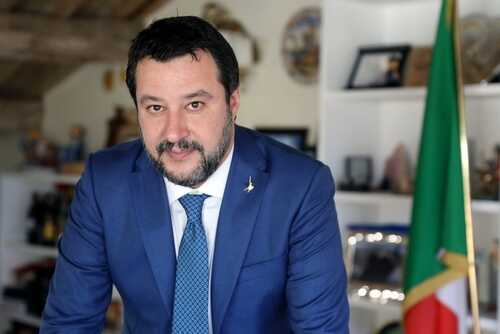
Italian prosecutors refuse to relent in their challenge to Matteo Salvini’s acquittal, casting fresh doubts on Italy’s legal system.
At a Glance
- Matteo Salvini was cleared of charges for blocking the NGO vessel Open Arms in 2019.
- Palermo prosecutors have filed a rare “per saltum” appeal directly to the Supreme Court.
- This bypasses Italy’s normal appellate hierarchy, underscoring the case’s urgency.
- The dispute pits sovereign border control against international humanitarian law.
The Per Saltum Gambit
In a dramatic legal move, Palermo’s prosecutors have leapfrogged customary appeals, petitioning the Supreme Court of Cassation to overturn Salvini’s acquittal. The former Interior Minister stands accused of refusing safe harbor to 147 migrants aboard the Open Arms, an action that polarized opinion worldwide—inspiring outrage from rights groups and praise from anti-immigration supporters.
Politics vs. Judiciary
Salvini, now Deputy Prime Minister, denounces the appeal as politically motivated persecution, a rallying cry for his conservative base. Meanwhile, Prime Minister Giorgia Meloni and Interior Minister Piantedosi defend his border-security measures and criticize the judiciary for diverting attention from Italy’s broader economic struggles. This showdown highlights deep fractures between Italy’s executive and judicial branches, reflecting a nation split over migration policy.
Wider Ramifications
A ruling against Salvini could curtail future government efforts to prioritize national security over international obligations, setting a precedent for migrant-related prosecutions. Conversely, upholding his acquittal may embolden hard-line leaders across Europe to adopt tougher border-control tactics. NGOs and migrant advocates are monitoring the case closely, aware that its outcome will shape their ability to operate in Italian—and European—waters for years to come.