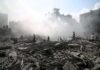
A drunk driver’s sparks are suspected of igniting a fast-moving Greek wildfire that tore through factories near Thessaloniki and filled neighborhoods with toxic smoke.
Story Snapshot
- A 76-year-old man was arrested, accused of starting the blaze when his vehicle threw sparks into dry roadside vegetation.
- The wildfire raced from a ravine toward industrial areas, destroying factories and a recycling plant on Thessaloniki’s outskirts.
- Greek authorities urged residents to stay indoors and seal homes because smoke from burning industrial sites was toxic.
- Hundreds of firefighters, vehicles, and aircraft battled the flames overnight as strong winds pushed the fire toward businesses.
How a Suspected Negligent Driver Sparked a Factory Inferno
Greek fire officials say the blaze began Saturday evening near the Oraiokastro suburb, in a ravine above the industrial zone outside Thessaloniki, Greece’s second-largest city. Dry brush and strong winds helped the fire spread quickly from hillside vegetation down toward factories and warehouses. Authorities report that a 76-year-old man was arrested on suspicion of starting the wildfire through negligence, after his vehicle allegedly produced sparks that ignited plants along the road. Fire service statements add that the man did not appear sober when detained, and he is expected to face a prosecutor.
The flames reached a recycling plant and nearby factory sites, where stored material and chemicals fueled intense explosions and thick, black smoke. Local reports say at least two factories were completely destroyed as the wildfire tore through forested land and industrial buildings near Oreokastro. Residents across several western Thessaloniki suburbs watched fire rip through the factory area and heard blasts as flammable products burned in the night. As the fire hit industrial facilities, it turned a routine negligence case into a major health and safety emergency for ordinary families living nearby.
Evacuations, Toxic Smoke, and an Overnight Firefight
The Hellenic Fire Service ordered evacuations in three small suburbs north of Thessaloniki—Anthoupoli, Filothei, and Galini—once the blaze threatened homes and special-care facilities. A center housing 157 people with disabilities had to be cleared; about 120 mobile residents were moved into a gym, while those with greater needs were taken to a psychiatric hospital for safety. With large factory fires burning, Greek authorities warned people in affected parts of Thessaloniki to remain indoors and shut windows and doors because smoke from the recycling plant was toxic and could harm lungs and hearts, especially in older residents.
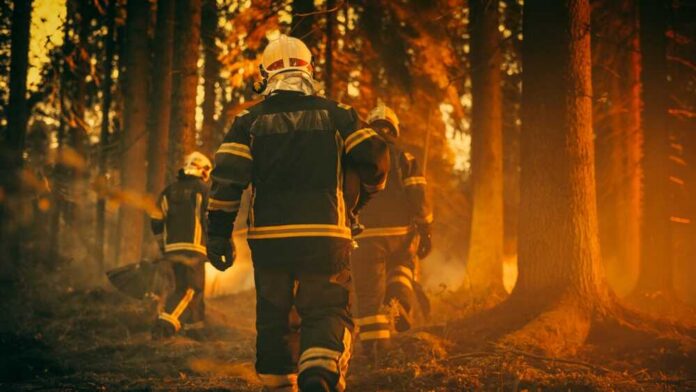
About 115–160 firefighters, dozens of fire engines, and volunteer crews fought the blaze through the night, working around difficult terrain and heavy industrial fuel loads. Water-dropping planes and helicopters joined the effort at dawn, since aircraft could not safely operate after dark above the burning factories and rugged slopes. Strong winds pushed flames across brush and industrial yards, forcing crews to defend both homes and key businesses at the same time. By Sunday, officials said the fire was more contained, but hot spots remained around damaged factories and the recycling plant, demanding ongoing ground work from crews.
Human Negligence and Greece’s Wider Wildfire Problem
This case matches a broader pattern in Greece, where authorities say most wildfires now begin with human action rather than lightning or simple chance. The Minister for Climate Crisis and Civil Protection has stressed that seven out of ten fires are caused by people, mainly through careless acts like sparks from vehicles and machinery or outdoor burning near dry grass. Fire officials told national television that roughly 85 percent of Greek wildfires stem from negligence, including tossed cigarettes and unprotected barbecues, meaning many such disasters could be prevented with basic common-sense behavior.
Experts, however, point to deeper structural failures that make these human mistakes far more destructive. Years of weak forest management, thick buildup of dry vegetation, and chaotic building in peri-urban zones have turned hillsides around cities like Thessaloniki into tinderboxes. Analysts reviewing Greece’s 2018 and 2023 fire seasons note that prevention planning is fragmented, local fire plans are often missing, and funds for fuel reduction and land management remain limited. As a result, once a single spark hits dry brush near homes, factories, or roads, strong winds and heat can turn what should be a minor roadside fire into a deadly and costly disaster.
Why This Matters for Conservative Readers
This Greek wildfire story is a stark warning about what happens when everyday responsibility breaks down and government fails at basic stewardship. One allegedly drunk driver, careless with a vehicle near dry brush, is believed to have triggered a chain reaction that destroyed factories, threatened vulnerable residents, and poisoned city air with toxic smoke. Fire officials now talk about negligence, arrests, and satellite systems, but long-term underinvestment in prevention and orderly land use helped set the stage.
🔥 Wildfire spreads to factories near Greek city of Thessaloniki
🚒 Firefighters focus on recycling plant and textile factory as thick smoke blankets much of Thessaloniki pic.twitter.com/vbQW6XmPKM
— Anadolu English (@anadoluagency) July 5, 2026
For readers who worry about government overreach at home, this case shows the other side of the coin: when the state ignores core duties like managing land, enforcing sensible building rules, and punishing repeat negligence, ordinary families and jobs pay the price. Greece is now racing to use satellites and artificial intelligence to spot fires faster, but real safety still depends on personal responsibility, strong local enforcement, and a government that focuses on infrastructure and order—not on flashy climate slogans while factories and neighborhoods burn.
Sources:
youtube.com, cbc.ca, ground.news, abcnews.com, facebook.com, fakti.bg, apnews.com, washingtonpost.com, seymourtelegraph.com.au, cnn.com, nationalgeographic.com