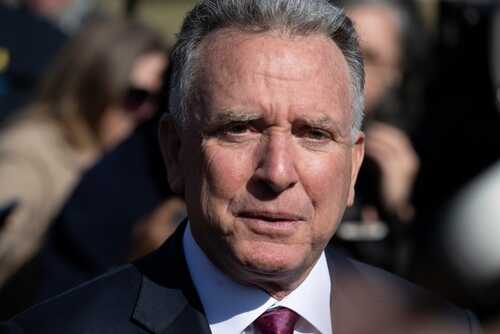
Trump’s special envoy is currently in Moscow negotiating with Vladimir Putin to end the Ukraine war, but after months of talks, fundamental disagreements on territory and military force remain unresolved. The high-stakes diplomatic pressure strategy, which includes threats of severe tariffs on nations purchasing Russian oil, faces deep skepticism from Western analysts who question Putin’s genuine commitment to a settlement. With critical issues like land swaps and military caps still dividing the two sides, serious questions are being raised about whether diplomacy alone can broker a lasting peace.
Quick Take
- Steve Witkoff has met Putin multiple times throughout 2025, with the most recent meeting occurring December 2 following talks with Ukrainian officials in Florida
- Trump has threatened severe tariffs on nations purchasing Russian oil and set multiple deadlines to pressure both sides toward agreement
- Western analysts assess Putin is stalling for time while continuing military operations rather than genuinely negotiating a settlement
- Key disagreements persist on land swaps and caps on Ukrainian military force, with no breakthrough expected soon
Trump’s Diplomatic Pressure Strategy Takes Shape
President Trump inherited a three-year conflict when taking office in 2025 and immediately prioritized ending what he calls a “senseless war.” Rather than relying solely on traditional diplomatic channels, Trump deployed special envoy Steve Witkoff for direct negotiations with Putin, beginning with a four-and-a-half-hour meeting in St. Petersburg on April 11. This approach combines face-to-face engagement with economic coercion—Trump has threatened severe tariffs on nations, particularly China and India, if they continue purchasing Russian oil. The strategy reflects Trump’s transactional approach to foreign policy, applying simultaneous pressure and negotiation to force movement toward settlement.
Pres. Trump's top envoy, Steve Witkoff, met face-to-face with Russia's Pres. Putin to discuss the U.S.-backed peace deal to end the war in Ukraine. Ian Pannell has more on the high-stakes meeting and what the Kremlin is signaling. https://t.co/1CfOmDwpWg pic.twitter.com/KZOwye0dxd
— World News Tonight (@ABCWorldNews) December 3, 2025
Multiple Meetings Yield Limited Progress
Since April, Witkoff has conducted multiple rounds of talks with Putin, with meetings occurring in August and most recently on December 2. Following each session, the Kremlin characterizes discussions as “important, substantive, and very useful,” yet concrete progress remains elusive. After negotiations between Ukrainian and U.S. officials in Florida, both sides agreed on some issues but remain divided on critical matters, including territorial disputes and the size of Ukraine’s post-war military. Trump initially set a 50-day deadline, later moved it to August 8, then backed away from specific timelines—indicating flexibility born from negotiation realities rather than firm commitment to consequences.
Western Skepticism About Putin’s Intentions
Despite diplomatic engagement, Western analysts and Ukrainian officials express serious doubts about Putin’s genuine commitment to a negotiated settlement. Officials assess that Putin is “stalling for time and avoiding serious negotiations while Russian forces push to capture more Ukrainian land.” The Center for European Policy Analysis warned of “clear signs that the Kremlin is preparing for a broader confrontation with NATO,” suggesting Russia may use diplomatic cover to prepare for expanded conflict. Russian continued strikes on civilian infrastructure—which Zelenskyy characterized as serving “only cruelty to intimidate”—reinforce these concerns about Putin’s true intentions.
Economic Pressure Meets Diplomatic Reality
Trump’s threatened tariffs on Russian oil purchases represent his primary leverage tool, yet this strategy faces limitations. Trump himself expressed skepticism about sanctions’ effectiveness, noting that Russia has proven “pretty good at avoiding sanctions” and describing Russians as “wily characters.” The Kremlin maintains that international sanctions imposed since February 2022 have had a limited impact, while Ukraine insists that sanctions are damaging Russia’s war machine. This disagreement reflects fundamental uncertainty about whether economic pressure can overcome Putin’s apparent determination to achieve territorial gains before negotiating terms.
Ukraine Faces Pressure From Its Strongest Ally
President Zelenskyy balances conflicting pressures: Trump demanding progress toward negotiation and Ukraine’s need to protect sovereignty and territorial integrity. Ukraine’s conditional willingness to negotiate “once a ceasefire is in place and the fighting has stopped” reflects prioritization of security over immediate settlement. However, as Trump’s primary ally and the nation providing military support, Ukraine cannot simply refuse to negotiate. This dynamic places Zelenskyy in a vulnerable position, dependent on American support while facing pressure to make concessions that could compromise Ukrainian security interests and territorial integrity.
Watch the report: Trump envoy meets with Putin in Russia as US pushes for Ukraine peace deal
Sources:
Trump’s envoy meets Putin in Moscow ahead of Russia-Ukraine peace deadline – New Indian Express
Trump envoy heads to Moscow for more Ukraine peace talks with Putin – Strait Times
Trump envoy meets with Putin in St. Petersburg for Ukraine talks – The Moscow Times
Trump envoy meets with Putin in Moscow just ahead of Ukraine peace deadline – The Moscow Times