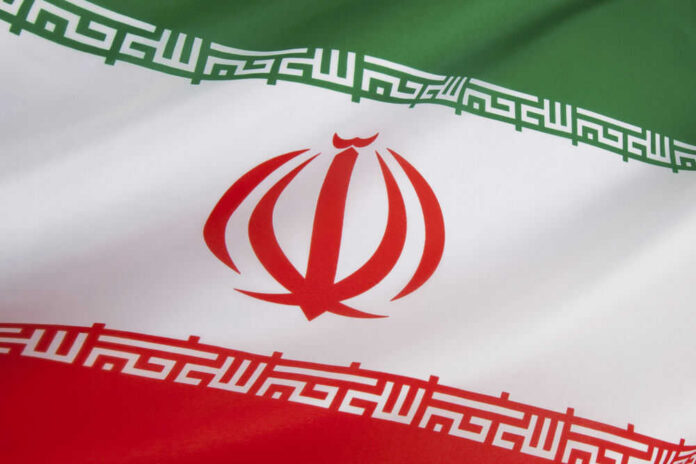
President Trump’s firm stance on Iran’s nuclear threat has European nations scrambling to evacuate their citizens, signaling the regime’s days of unchecked aggression may be numbered.
Story Snapshot
- Serbia and Sweden issue urgent advisories for citizens to leave Iran immediately amid US naval buildup and Trump’s consideration of a limited strike.
- Trump deploys major carrier groups like USS Abraham Lincoln and USS Gerald R. Ford to pressure Tehran into nuclear concessions.
- Iran voices hope for a quick deal even as European warnings highlight real conflict risks, echoing Poland’s prior alert.
- Commercial flights and borders remain open for now, but evacuation windows could close abruptly without government aid.
European Nations Sound the Alarm
Serbia’s Foreign Ministry reiterated its no-travel advisory overnight from Friday to Saturday, February 20-21, 2026, urging nationals to depart Iran due to deteriorating security. Sweden’s Foreign Minister Maria Malmer Stenergard issued a strong appeal on February 20 via X, calling on Swedes to exit via commercial flights or borders. She stressed no evacuation assistance would be provided, emphasizing personal responsibility. These actions follow mid-January warnings tied to Iran’s crackdown on protests. Poland’s Prime Minister Donald Tusk had warned on February 19 of a very real conflict risk.
Trump’s Military Pressure on Iran
President Donald Trump stated on February 20 he is considering a limited military strike on Iran’s nuclear program if negotiations fail. This comes after ordering a major naval buildup in the Middle East over the past two weeks. The US deployed the USS Abraham Lincoln carrier group and three guided-missile destroyers, with the USS Gerald R. Ford strike group moving from the Caribbean toward the region. US CENTCOM oversees operations, including Super Hornet flights. Trump aims to force nuclear concessions, building on past policies like the 2018 JCPOA withdrawal. Iran simultaneously expressed hope for a swift US deal.
Timeline of Escalating Tensions
Mid-January 2026 saw Serbia’s initial advisory amid Iran’s bloody protest suppression. February 19 brought Poland’s urgent evacuation call. Sweden and Serbia followed on February 20-21 as US naval assets positioned. Commercial exits remain viable, but multiple nations including Australia, Germany, Belgium, Italy, and Spain issued parallel warnings. No strike decision is confirmed, and talks continue without breakthrough. Regional uncertainty risks sudden airspace or border closures, stranding citizens.
Power dynamics favor US military leverage through carrier deployments. European nations, including NATO ally Poland and aligned Sweden, act independently on consular protection. Serbia balances ties with Iran but prioritizes its people. This setup underscores America’s lead in countering nuclear threats that endanger global stability and conservative priorities like strong defense.
Risks and Implications for Stability
Short-term risks include stranded Europeans needing shelter-in-place if routes close, straining consular resources. Long-term, a strike could spark wider Gulf conflict, as unnamed analysts warn. Economic disruptions hit aviation, while defense activates with US moves. Politically, it strains US-Europe coordination and aids Iran’s external threat narrative. Trump’s approach protects American interests by pressuring a regime long hostile to freedom, aligning with limited government abroad through decisive strength. Citizens face heightened anxiety amid viable but urgent exits.
Bolstering Iran’s narrative challenges diplomatic efforts, yet Trump’s tactics echo successful pressure plays. No post-February 21 updates confirm further developments. Russian calls for restraint highlight allied caution, but US resolve prioritizes security over appeasement.
Sources:
Serbia, Sweden Urge Citizens to Quit Iran as Trump Mulls Strike
Sweden urges citizens to leave Iran amid heightened regional uncertainty
Serbia urges citizens to exit Iran now amid crisis
Iran tensions: Several European countries advise citizens to leave Iran
Serbia and Sweden urge citizens to leave Iran amid US tensions