
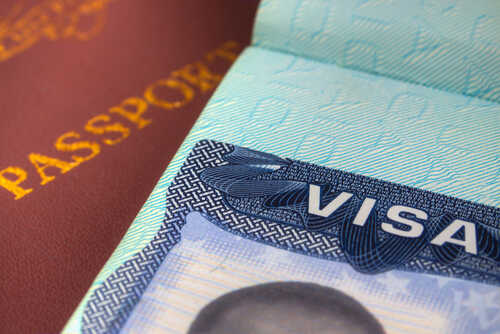
Brace yourselves, folks: a new $250 visa integrity fee is about to hit millions of foreign visitors to the United States, and it’s not going to be pretty.
At a Glance
- The $250 visa integrity fee applies to most nonimmigrant visas.
- It aims to deter visa overstays and unauthorized employment.
- The fee was enacted under the One Big Beautiful Bill Act.
- Implementation details remain unclear, causing widespread uncertainty.
Understanding the Visa Integrity Fee
The visa integrity fee, established under the One Big Beautiful Bill Act (OBBBA), was signed into law on July 4, 2025. At $250, this fee applies to nearly all nonimmigrant visas, including tourist, business, and student visas, among others. The Department of Homeland Security (DHS) is responsible for setting this fee, which will rise annually starting in 2026 to match inflation. The fee comes on top of existing visa application costs, adding a significant financial burden to foreign visitors.
This fee isn’t just about the money; it’s about compliance. The government hopes that the fee will act as a deterrent against visa overstays and unauthorized employment. However, since it’s theoretically refundable, the practicality of getting your money back is murky at best, with no system currently in place for refunds. The Department of State is likely to collect the fee when issuing visas, but the exact mechanism remains undefined.
Watch: New $250 U.S. Visa Integrity Fee: What to Know
Key Players and Their Roles
In drafting and passing the OBBBA, Congress aimed to tackle immigration enforcement issues. DHS, tasked with overseeing the fee’s implementation, is working with other agencies to iron out the details. Foreign travelers, particularly from countries like Mexico, India, Brazil, and China, will bear the brunt of this fee. U.S. employers, especially those relying on foreign talent, face increased costs and administrative burdens as they navigate this new financial landscape.
The tourism and hospitality industries are also on edge, concerned about the potential impact on visitor numbers. With the U.S. known for imposing various visa surcharges and security fees, this refundable compliance-based fee is unprecedented. Both the DHS and the Department of State hold significant regulatory authority, while Congress sets the legislative parameters. Meanwhile, foreign governments may voice concerns, but their influence is limited.
Latest Developments and Unanswered Questions
The OBBBA was signed into law on July 4, 2025, but as of late July, the fee is not yet in effect. The DHS has cited the need for cross-agency coordination before fee collection can begin, leaving travelers and employers in a state of uncertainty. The fact that there’s no official start date for the fee’s implementation only adds to the confusion, and the refund process is a big question mark.
The lack of clarity from DHS and USCIS has left many in a lurch. Statements from these agencies acknowledge the upcoming fee but offer little in terms of concrete details. As agencies work to develop a system for fee collection and eventual refunds, the clock is ticking. Travelers and businesses alike are left waiting for guidance, with no clear answers in sight.
The Impact and What Lies Ahead
In the short term, the fee will drive up costs for millions of foreign travelers, potentially deterring some from even considering a trip to the U.S. The administrative uncertainty surrounding the fee’s implementation date and refund process is causing headaches for employers and applicants alike. Visa processing delays are anticipated as new systems are developed to handle these changes.
Long-term implications are equally concerning. With annual fee increases tied to inflation, costs for future applicants will only rise. There’s also the potential for a reduction in international tourism and business travel if the fee is regarded as an onerous, non-refundable burden. The Congressional Budget Office suggests few travelers will seek or receive refunds, given the complex nature of the refund process and the length of visa validity periods.