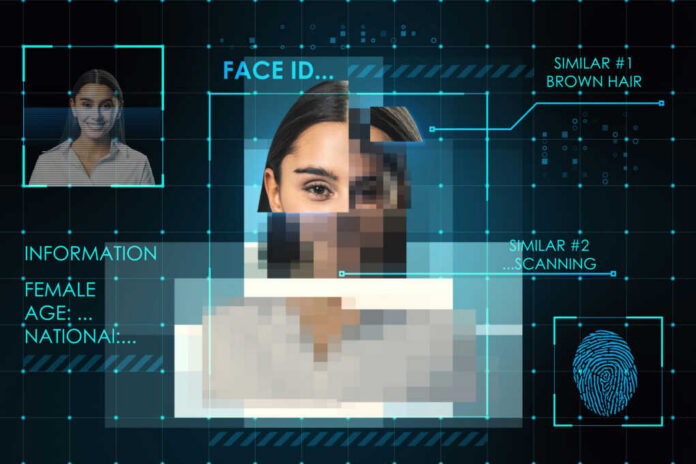
Private biometrics are creating a de facto digital ID system without a single new law, putting privacy and liberty on the line.
Story Highlights
- Researchers say private age checks can transmit device and payment data to third parties, enabling tracking [4].
- Vendors push back, claiming selfies are deleted and systems do not identify people [1].
- Experts warn biometric data is permanent and risky if leaked or misused [16].
- Mandated age checks risk forcing millions into systems they cannot easily avoid [4].
Researchers Flag Quiet Data Flows In Private Age Checks
Georgia Institute of Technology and University of California researchers reported that a leading age verification tool can send personal details, like internet addresses, device fingerprints, and card data, to outside firms. The team argued this creates cross-site tracking links between a person’s devices, browsing, and payments. The vendor, Yoti, disputed the findings and demanded corrections. The company invited an independent audit, which has not yet publicly resolved the claims [4].
Policy pressure is growing for websites to block kids from adult content. Companies now sell “age assurance” that runs behind the scenes when you upload a selfie. Researchers say some methods mix biometric checks with other data sources. That mix can expose far more than a simple yes-or-no check. The result is a stealth identity layer that rides on private contracts, cookies, and software kits most users never read or control [4].
Vendors Say: Not Facial Recognition, Images Deleted
Yoti states its facial age estimation is not facial recognition and does not uniquely identify a person. The firm says the system turns a selfie into numbers, estimates an age or age range, and then deletes the image. The company also points to regulator sandboxes and technical work arguing that age estimation falls outside rules for special biometric identification, because it does not seek to identify who someone is [1].
Independent academics have also argued facial age estimation models cannot verify identity and perform at or near chance on face verification tests. That position supports the idea that estimating age is a different task than identifying a unique person. If correct, this narrows some privacy risks but does not end concerns about device or network data that may travel with the selfie workflow during checks [6].
Why Conservatives Should Care: Permanent Data, Private Control
Think about what happens when biometric data or linked identifiers leak. A policy paper from Brookings warns that biometric traits are permanent. You cannot replace a face or fingerprint like a password. Central stores and shared pipelines raise the odds of misuse, tracking, or breach. The safest path is to limit collection in the first place. That principle fits our values: minimal data, minimal risk, and maximum control by the individual, not by bureaucrats or vendors [16].
When lawmakers mandate age checks, people can be pushed into private systems by force of regulation. A vendor can promise deletion, but users have no way to confirm end-to-end behavior across every partner. The current dispute shows why trust is not enough. Clear, testable standards, third-party audits, and real penalties for hidden data flows are needed. Otherwise, we drift into a digital ID by default, built by contracts, not by consent [4].
Accuracy Claims Do Not Answer Tracking And Function Creep
Vendors tout accuracy, fair results across skin tones, and rapid response times. Those claims, even if true, do not solve the main risks. The issue is not only whether a model guesses age well. The issue is what else the system collects, sends, stores, and links while doing it. If device fingerprints and payment metadata get tied to age checks, services can build dossiers without ever asking your name. That is a back door to identity [4].
Conservatives should press for a simple rule set. First, no retention beyond what is strictly required, with deletion verified by independent auditors. Second, full transparency on all third parties, software kits, and contract terms, published in plain English. Third, a hard ban on using age-check data for ads, credit, insurance, employment, or law enforcement without a warrant. Fourth, an easy offline option for adults that does not require selfies or device tracking [16].
What The Trump Administration And Congress Can Do Now
Federal agencies can set procurement rules that require zero-knowledge age checks, with no device or payment telemetry allowed. Congress can demand independent audits, not vendor-selected assessments, with public summaries. Lawmakers can bar function creep by restricting reuse of any age-assurance signals beyond the single purpose. These steps would defend free speech, privacy, and family life while meeting real goals to shield kids online, without building a digital prison by accident [4].
Sources:
[1] Web – No New Laws Required… Private Biometrics Are Building The Digital ID …
[4] Web – AI Adoption Case Study: learn about Yoti’s facial age estimation tool!
[6] Web – Single Stage Facial Recognition based on YOLOv5 – IEEE Xplore
[16] Web – Facial Age Estimation white paper – Yoti