

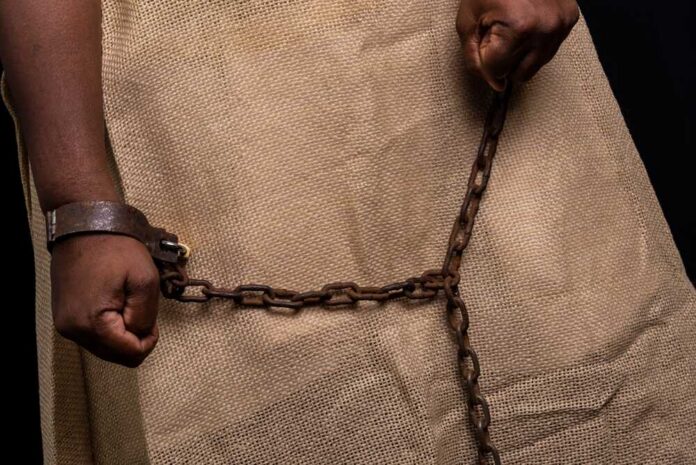
Louisville officials are poised to hand $1 million in taxpayer money to a Black history museum that puts slave shackles on white visitors, turning “white guilt theater” into publicly funded policy.
Story Snapshot
- Roots101 African American Museum in downtown Louisville is set to receive public funding through the city budget process.
- The museum has gone viral for an exhibit where white visitors wear replica slave shackles, sparking debate over guilt-based “experiences.”
- City leaders have not clearly released the budget ordinance or grant terms explaining how the $1 million will be used.
- Conservatives question why scarce tax dollars support emotional activism instead of measurable education or core services.
Taxpayer-Funded Guilt Experiences In Downtown Louisville
Louisville’s Roots101 African American Museum sits in the city’s downtown, publicly presenting itself as a nonprofit dedicated to preserving and sharing African American history, culture, and contributions.[2] The museum’s founder has drawn viral attention by placing heavy replica shackles on the wrists of white visitors, including at least one woman who broke down in tears during the experience, prompting millions of social media views and a broader discussion about “white guilt.”[1][2] This dramatic approach has now collided with city budgeting.
Local television coverage confirms that Louisville’s government is providing funding to Roots101 and that the museum is receiving money in a proposed 2027 city budget. However, the public record available so far stops at headlines and short clips. The coverage does not show the exact budget ordinance, the specific dollar figure of the appropriation, or the detailed terms governing how the public funds must be spent. That lack of documentation matters when emotional programming is tied directly to tax dollars.
What The Museum Says It Is Doing Versus What Taxpayers See
On paper, Roots101 describes a mission many Americans would support: preserving African American history and providing a “comprehensive and dynamic educational experience” that promotes understanding, appreciation, and dialogue.[2] The museum says its exhibits, programs, and activities aim to challenge stereotypes, broaden perspectives, and encourage critical thinking about complex social issues.[2] Those goals sound like genuine education, not partisan theater. Yet to many taxpayers, the public face of the museum has become the shackling of white guests for viral videos.
The museum’s own materials emphasize that it wants to engage broad audiences and confront difficult history, which is a legitimate civic purpose if done with balance and respect.[2] The problem is that the available sources do not include exhibit scripts, wall text, or any detailed explanation of the shackling experience.[2] Without that, citizens cannot easily tell whether the practice is thoughtful interpretation or manipulative guilt-tripping. When public officials decide to send scarce tax dollars to a museum best known nationally for shackling white visitors, they owe constituents more than feel-good mission statements.
Missing: The Actual Budget Text, Guardrails, And Results
Louisville is not new to funding Black history work. The Filson Historical Society’s African American History Initiative launched with a three and a half million dollar campaign, clearly framed as a long-term effort to collect, preserve, and share Black history across the region, backed by documented private and foundation commitments.[1] By contrast, the Roots101 funding story, as it exists publicly, comes through brief videos and headlines that simply state the city is providing money to the downtown museum. The formal appropriation language has not been produced in the available record.
There is no accessible grant agreement, scope of work, or performance metrics showing what Louisville taxpayers are buying with this million-dollar commitment.[2] No audited financials, no attendance data, no evidence of educational outcomes are included in the sources.[2] That does not mean they do not exist, but it does mean taxpayers are being asked to accept the spending largely on trust and symbolism. For conservatives who remember years of bloated budgets, unfunded pensions, and crumbling infrastructure, this kind of opaque cultural spending looks like more of the same unaccountable government behavior.
Conservative Concerns: Culture War Budgets And Government Priorities
Many Americans accept that local governments can support museums and historic preservation if those projects clearly serve the whole community. However, when a museum’s most visible feature is shackling white visitors in the name of empathy, funneling tax dollars into that institution looks far less neutral. The current evidence shows an organization that speaks the language of education while operating in a media environment that prizes viral guilt content over careful teaching.[1][2] That disconnect raises red flags about mission drift and politicization.
🚨WHITE PEOPLE CAN EXPERIENCE SLAVERY AT THIS BLACK AMERICAN HISTORY MUSEUM
Roots 101 African American Museum in Louisville uses authentic Ghanaian shackles to show visitors the physical toll of slavery.
One exhibit includes role-playing moments where visitors act out scenes… pic.twitter.com/0CbZeDAQJJ
— NewsForce (@Newsforce) May 13, 2026
For conservatives, the principle at stake is simple: government should protect constitutional rights, deliver core services, and act as a careful steward of taxpayer money, not subsidize emotional reeducation experiences. If Louisville officials want to support Black history, they should do so with transparent contracts, clear educational standards, and measurable results, not vague promises wrapped in culture-war theater. Until the city releases the full budget ordinance and grant terms, citizens have every reason to demand answers before another dollar is shackled to guilt-driven programming.
Sources:
[1] Web – African American History Initiative – The Filson Historical Society
[2] Web – Roots101 African American Museum | Give for Good Louisville