

A powerful nor’easter drove water into New Jersey shore towns, flooding streets, cutting power, and forcing rescues.
Story Highlights
- New Jersey faced coastal flooding, water rescues, and power outages from a slow-moving nor’easter.
- State leaders previously used emergency orders for similar storms as flooding hit multiple counties.
- Surf City and Manasquan saw streets and homes inundated during peak high tides.
- Outages stretched across the region as winds and high water damaged lines and roads.
Nor’easter Slams Shore Towns With Floodwater and Wind
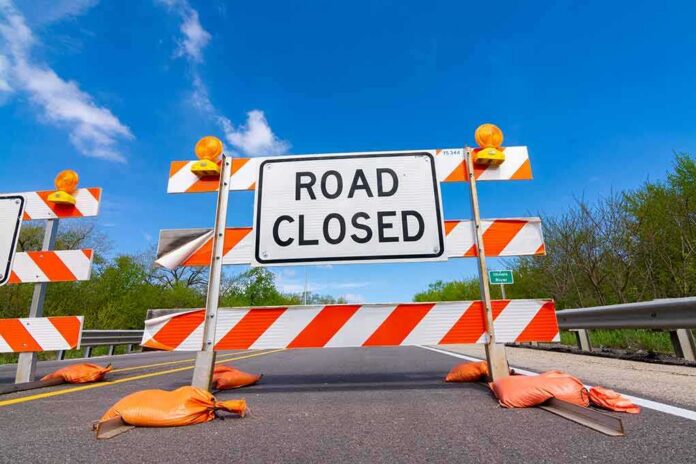
Sunday morning’s high tide brought the worst flooding for parts of coastal New Jersey. Strong onshore winds pushed several feet of water into low-lying streets and bayside blocks, leading to water rescues in some communities, according to detailed forecasts and storm updates. Residents reported flooded cars, blocked roads, and water inside ground floors. Officials urged drivers to avoid flooded roadways. Forecasters warned that more high tide cycles could keep water levels elevated into Monday, prolonging damage and delays.
Surf City and Manasquan saw streets and some homes take on water as the storm’s peak coincided with high tide. Local images showed neighborhoods cut off by deep water, with first responders checking residents and assisting with evacuations where needed. The National Weather Service flagged the highest tides north of Atlantic City, raising the risk for widespread road flooding in coastal and bayside areas through the weekend. Beach erosion also increased as pounding surf and persistent wind battered the shoreline.
Power Outages and Emergency Actions Across the Region
Power outages spread as wind and water took down lines and trees along the shore and inland. Regional trackers counted tens of thousands without electricity across the Northeast at the storm’s height, including thousands in New Jersey, while utilities worked around the clock to restore service. Broad outage maps also showed the most widespread losses along the New Jersey shore and nearby coastal counties, where wind gusts and saturated ground stressed poles and feeders. Restoration times varied as crews waited for waters to recede.
New Jersey authorities have treated similar nor’easter threats as serious emergencies, issuing statewide or multi-county orders to marshal resources and restrict travel when needed. During a major flooding event in 2023, the governor used an executive order to activate emergency powers across all counties, citing extreme flooding in parts of the state and dangerous conditions for drivers and first responders. That pattern reflects how these storms repeatedly strain local services and demand rapid, coordinated action.
Why This Storm Packed a Punch Along the Coast
Forecasters said the storm’s slow movement and long fetch kept pushing ocean water into back bays and river mouths. That timing lined up with high tides, which can turn moderate flooding into road-closing events. Experts warned that several high tide cycles would stack impacts and increase the odds of water rescues, especially in low-lying neighborhoods and barrier islands. Strong winds also raised the risk of downed trees and lines, which made the power problems worse and slowed repairs in flooded areas.
The strong Nor’easter drifting near the New Jersey shoreline will continue to bring coastal flooding, rip currents, strong wind gusts, and heavy rain to the region. The sun should return by Tuesday, bringing gradually warming temperatures through … https://t.co/3mZ0wlxAa8
— The Baltimore Sun (@baltimoresun) September 27, 2026
Local broadcasters and weather teams described the nor’easter as a two-part threat: coastal inundation from surge and widespread power problems from wind and soaked soils. They highlighted gusts up to 50 miles per hour along parts of the coast and warned about dangerous rip currents and beach erosion. Those combined hazards kept many roads closed and forced detours while tide cycles continued to run high into the start of the workweek. Families were urged to avoid floodwaters, secure loose items, and check on neighbors.
Conservative Takeaway: Preparedness, Local Control, and Common Sense
Emergency crews, police, utility workers, and volunteers showed how local readiness protects families when storms hit. Clear alerts, simple guidance, and quick rescues saved lives and property. Conservative readers know this is where competent basics matter most: maintain drainage, harden grids, respect road closures, and empower towns to act fast. As tide cycles ease, homeowners should document damage, contact insurers, and use official state disaster help lines for shelter and recovery steps if needed. Stay alert for new advisories as waters recede.
Sources:
facebook.com, usaherald.com, bbc.com, newjersey.news12.com, northjersey.com, nbcnews.com, impact-archive.rutgers.edu, inquirer.com