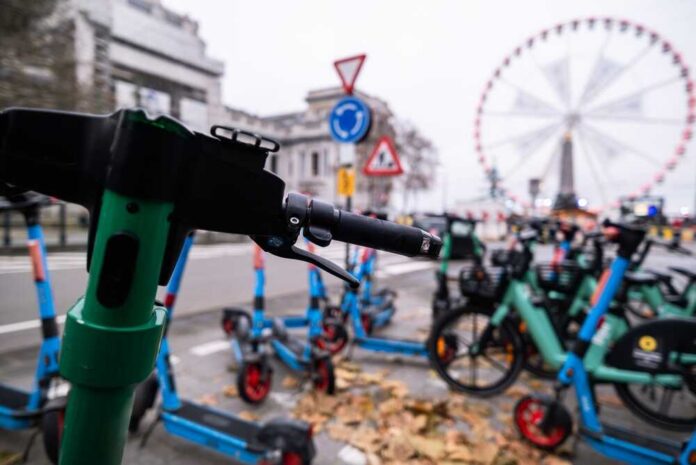
Brussels politicians are using safety fears to wipe out rental e-scooters citywide, offering a clear look at how far European elites will go to control daily life in the name of “protection.”
Story Snapshot
- Brussels will ban shared rental e-scooters starting January 1, 2027, citing safety and “nuisance.”[1][2]
- Officials point to 666 e-scooter injuries in 2025 and claim scooters are tied to crime and sidewalk chaos.[1][2][7]
- Other countries show that strict rules, not bans, can manage e-scooter risks while keeping choice and mobility.[3]
- The Brussels case is a warning about how quick governments can kill a new technology instead of enforcing basic order.[1][2][3]
Brussels Votes To Kill Shared E-Scooters In The Name Of Safety
The Brussels regional government has decided that all shared rental e-scooters must disappear from the capital starting January 1, 2027.[1][2][4] Officials say the current operator licenses end in 2026 and will simply not be renewed, which means no company will be allowed to rent out scooters after that date.[2] Leaders frame the move as a “safety” choice, even though they are targeting rentals only, not private scooters that residents already own.[1][2]
Brussels leaders point to a raw injury number to defend the ban, saying 666 people were hurt in accidents involving e-scooters in the region in 2025.[1][2] They say that is more than a 25 percent jump from 2024, and they highlight serious head and face injuries to build support for their plan.[1][2] A Brussels prosecutor also claims shared scooters were involved in 25 shootings last year, and officials repeat that figure to tie scooters to crime.[1][2]
From Sidewalk Clutter To Total Ban: How Officials Made Their Case
Brussels leaders do not just talk about crashes; they also attack how scooters look and where they end up.[1][2][6][7] They complain about “carelessly parked” e-scooters that block sidewalks and bike paths, especially for people with limited mobility, and they brand this as a growing “nuisance.”[1][6][7] Officials also say that shared scooters are used for criminal purposes, leaning on the shooting claim to argue that removing fleets will help police and prosecutors fight crime.[1][2]
Before choosing a total ban, the Brussels government had tried some steps meant to improve safety, such as rules on parking and riding.[2] Mobility Minister Elke van den Brandt has said the region tested measures but was still worried about accident numbers and head injuries.[2] Yet there is no public data that breaks the 666 cases down by trip count, distance, time of day, or whether riders were drunk, which would show real risk per trip instead of only a scary total.[1][2]
Other Cities Tighten Rules Instead Of Banning Scooters
The Brussels choice is not the only model on the table, and that matters for Americans who worry about bans becoming the default answer to every problem.[3] A review of policies across different countries shows that many cities kept rental e-scooters but used strict rules instead of prohibition.[3] Common tools include age limits, helmet rules, speed caps, parking zones, and limited operating areas to protect pedestrians and people with disabilities.[3]
Some European cities did move toward bans, which Brussels leaders now cite as cover.[3] Paris voters backed a ban on rental scooters after complaints about crashes, injuries, deaths, and abandoned devices blocking sidewalks.[3] Other cities like Prague, Florence, Melbourne, Montreal, and even the entire Netherlands barred rental scooters on public roads, often blaming weak enforcement by companies and local governments.[3] Officials in Brussels can now point to this trend and say they are simply following “best practice.”[1][3]
Why This European Ban Should Matter To American Conservatives
The Brussels decision shows how quickly a government can switch from managing a new technology to erasing it, once safety fears and visual mess become a political weapon.[1][2][3] City leaders did not prove that scooters are uniquely dangerous per mile traveled; they focused on headline numbers, public frustration, and stories about crime instead.[1][2][3] This pattern should concern anyone who values personal choice, innovation, and limited government power over day-to-day life.
The same logic used in Brussels can be aimed at other tools and freedoms, including cars in city centers, gas-powered vehicles, or even certain neighborhood designs, all in the name of safety or climate.[3][5] For conservatives in the United States, the lesson is simple: when officials avoid targeted enforcement and jump straight to bans, they grow government power and shrink personal responsibility.[1][2][3] Strong rules and real policing can fix abuse without stripping away lawful options that many people rely on to move, work, and live their lives.
Sources:
[1] Web – Brussels to ban rental e-scooters after spike in accidents
[2] Web – Brussels to ban shared e-scooters from next year – Zag Daily
[3] Web – How Different Countries Regulate Rental E-Scooters – Feet First
[4] Web – [PDF] Thematic Report ROAD SAFETY Personal Mobility Devices
[5] Web – Shared e-scooters will be banned from Brussels from 2027, the …
[6] X – Beyond safety concerns, the government also pointed to the growing …
[7] Web – Brussels to ban shared e-scooters from 2027