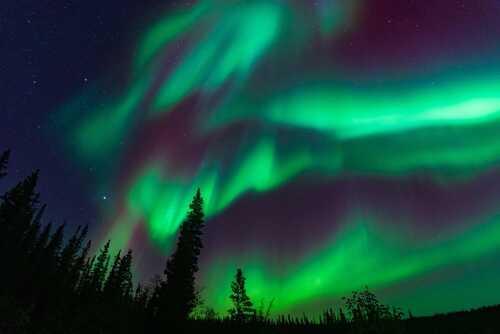
A rare G4 geomagnetic storm recently delivered a historic natural spectacle, making the northern lights visible across 21 American states—farther south than they have been seen in over two decades. The event, caused by multiple solar eruptions during the Sun’s solar maximum phase, created optimal viewing conditions on November 11-12. While millions enjoyed the celestial display, the storm also prompted NOAA alerts for potential disruptions to critical infrastructure, serving as a reminder of space weather’s profound, yet beautiful, impact.
Story Highlights
- Powerful G4 geomagnetic storm made northern lights visible as far south as Maryland and Alabama
- Multiple solar eruptions during solar maximum created the most widespread aurora event since 2003
- NOAA issued alerts for potential disruptions to power grids and satellite communications
- Millions of Americans witnessed the rare celestial display across 21+ states on November 11-12
Rare Solar Storm Creates Historic Aurora Display
Multiple coronal mass ejections launched from the Sun on November 7 and 9 converged to create an extraordinary G4-class geomagnetic storm. NOAA’s Space Weather Prediction Center issued alerts as charged solar particles slammed into Earth’s magnetic field, pushing aurora visibility hundreds of miles south of typical viewing zones. The storm peaked during the overnight hours of November 11-12, creating optimal conditions for the northern lights to dance across American skies from Washington state to the Mid-Atlantic region.
Northern lights visible across US as geomagnetic storm lights up skieshttps://t.co/fLUTfTNoJs
— MSN (@MSN) November 12, 2025
Solar Maximum Timing Amplifies Natural Spectacle
The timing couldn’t have been more perfect for skygazers. The Sun entered its solar maximum phase in late 2024, marking the most active period of its 11-year cycle. This natural peak in solar activity significantly increases the frequency and intensity of solar eruptions, creating more opportunities for widespread aurora events. The current solar cycle ranks as the most active in two decades, explaining why this aurora display reached unprecedented geographic boundaries across the continental United States.
Infrastructure Concerns Highlight American Resilience
While the aurora provided spectacular entertainment, NOAA warned of potential disruptions to critical infrastructure systems. Geomagnetic storms can interfere with satellite operations, radio communications, and power grids, particularly at northern latitudes. However, American infrastructure proved resilient, with only minor reported disruptions. The event serves as a reminder that our nation’s technological backbone remains vulnerable to space weather, emphasizing the importance of continued investment in hardened systems and preparedness protocols.
Record-Breaking Geographic Reach
Scientists compared this event to the legendary Great Halloween Storms of 2003, when auroras reached as far south as Florida and Texas. The November 2025 display potentially matched that historic reach, with confirmed sightings across states that rarely experience such phenomena. MIT Observatory staff and meteorologists emphasized the educational value of these widespread events, noting how they inspire public interest in astronomy and space science while demonstrating the interconnected nature of solar-terrestrial relationships.
American Spirit Shines Through Shared Wonder
Across rural communities and small towns, Americans gathered to witness this celestial gift that no government program could provide or regulate. Families drove to dark-sky locations, photographers captured stunning images, and neighbors shared viewing spots, embodying the community spirit that makes our nation strong. The event reminded millions that some of life’s most meaningful experiences come from natural phenomena beyond human control, offering a welcome respite from daily political concerns and a chance to appreciate the majesty of creation.
Watch the report: Northern lights dazzle across Lower 48 amid G4 geomagnetic storm from strongest solar flare of 2025
Sources:
The Northern Lights Might Be Visible as Far South as Maryland on November 12, 2025
Northern Lights Across Northern US
Where Can I See the Northern Lights in the US Tonight November 11