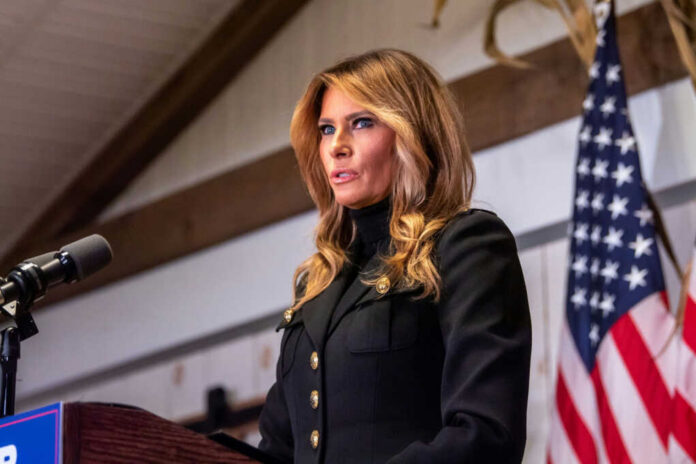
While U.S. forces trade blows with Iran, the United Nations is about to hand its most symbolic gavel to America’s First Lady—an image that will test whether the UN still has any real credibility left.
Story Snapshot
- First Lady Melania Trump is set to preside over a UN Security Council meeting, a first for any sitting U.S. first lady or first gentleman.
- The meeting’s theme focuses on “Children, Technology, and Education in Conflict,” even as an active U.S.-Iran conflict unfolds across the Middle East.
- The U.S. holds the rotating Security Council presidency for March 2026, with Ambassador Mike Waltz expected to be alongside Melania Trump at the session.
- Reporting also points to worsening U.S.-UN strain, including U.S. funding pullbacks from multiple UN agencies and roughly $4 billion in arrears for regular and peacekeeping budgets.
A historic UN moment collides with a shooting war
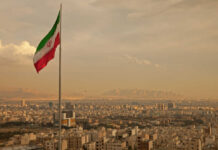
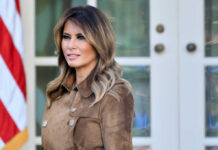
First Lady Melania Trump is scheduled to chair a United Nations Security Council meeting at UN headquarters in New York on Monday, March 2, 2026, at 3 p.m. The session is billed around “Children, Technology, and Education in Conflict,” and it is expected to place Melania Trump in the chair with the gavel—an unprecedented role for a sitting first lady. The optics are unavoidable because the meeting lands amid an active U.S.-Iran conflict and regional retaliation.
The timeline driving the tension is straightforward. Reports say a U.S.-Israeli campaign began Saturday, February 28, with a strike in Tehran that killed Iran’s supreme leader, followed by Iranian missile and drone retaliation across parts of the Middle East. President Trump has said the operation could continue for weeks, while communicating largely through social media posts and video messages rather than frequent in-person remarks. Meanwhile, the Security Council proceeds with its calendar as if diplomacy can be neatly separated from war.
What the meeting is—and what it isn’t
The Security Council’s agenda item focuses on how conflict affects children and education, especially through technology. Under-Secretary-General Rosemary DiCarlo is listed as the anticipated briefer, placing the meeting squarely within the UN’s typical pattern of thematic sessions and briefings. UN spokesman Stephane Dujarric described the gathering as a sign of the importance the United States places on both the Council and the topic. None of that changes the practical limitation: a themed meeting doesn’t stop missiles.
Supporters of American sovereignty and limited government often view the UN with skepticism, and the current setup feeds that debate. The United States is still a permanent Security Council member and remains a major financial backer, but Washington’s posture has tightened. Reporting indicates the Trump administration has withdrawn support from major UN agencies such as the World Health Organization and UNESCO and pulled funding from dozens of others. Those decisions reflect a broader claim from Trump that the UN has failed in its mission.
The credibility problem diplomats can’t ignore
Analysts cited in reporting argue diplomats will notice a contradiction: Washington is promoting a high-profile meeting on children, education, and peace-related concerns while simultaneously boycotting or defunding UN offices that work on similar issues. That criticism doesn’t prove bad faith, but it does highlight a basic messaging challenge. When a country uses the Council’s platform while cutting resources elsewhere in the UN system, opponents can paint it as selective multilateralism rather than consistent leadership.
At the same time, observers expect many Security Council members to “play nice” during a session chaired by the U.S. first lady, because few governments want to risk bilateral damage with Washington over a meeting that is largely symbolic. For American audiences tired of global grandstanding, that dynamic can read as validation of a longstanding complaint: the UN often delivers theater and statements, but real leverage still comes from national power, alliances, and hard security decisions made outside Turtle Bay.
Money, arrears, and the larger U.S.-UN standoff
Beyond the day’s headlines, the meeting sits inside a deeper financial and political conflict between Washington and the UN. Reporting says the United States is about $4 billion in arrears for the UN regular budget and peacekeeping operations, and UN Secretary-General Antonio Guterres has warned of looming financial collapse. Those numbers matter because they shape how much capacity the UN actually has to run missions, support humanitarian work, or sustain long-term programs when major donors resist paying.
The Trump administration’s answer, according to the reporting, isn’t simply “pay more” or “trust the system.” It is also building alternatives—such as a “Board of Peace,” which held an inaugural session in Washington with countries pledging funds and personnel tied to rebuilding Gaza. The long-term consequences of Melania Trump’s chairmanship are still unclear, and so is the trajectory of the Iran conflict. What is clear is the contrast: a UN gavel moment on children and education occurring while the real-world crisis moves by force, not speeches.
Sources:
Melania Trump to Chair UN Security Council as Iran War Rages
Melania Trump to chair UN Security Council as Iran war rages
FLOTUS in NYC: Melania Trump set to preside over UN Security Council meeting