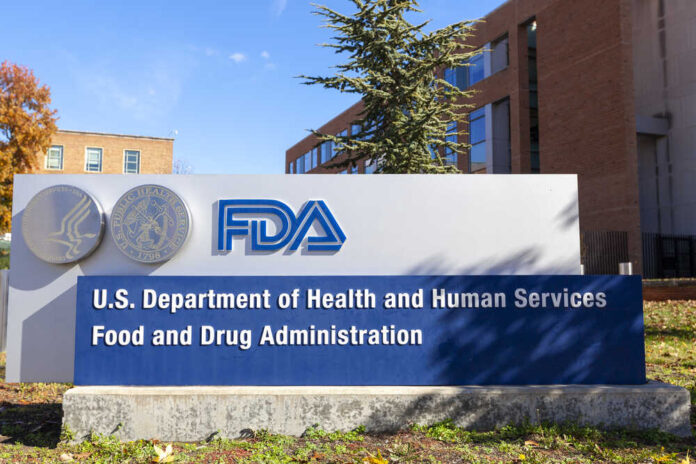
Allegations of power misuse and rapid resignations at the FDA have thrown America’s top drug regulator into chaos, raising serious questions about government accountability and public trust. The abrupt departure of director George Tidmarsh and subsequent resignations exposed deep internal divisions, fueling public concern over the agency’s direction and transparency. While the hasty appointment of veteran Richard Pazdur is an attempt to restore order, the turmoil at the FDA threatens to delay drug approvals and undermine confidence in vital regulatory processes.
Story Snapshot
- The abrupt resignation of George Tidmarsh as the FDA’s top drug regulator has exposed deep internal divisions and leadership instability.
- Allegations of authority misuse and internal power struggles are fueling public concern over the agency’s direction and transparency.
- The hasty appointment of Richard Pazdur is seen as an attempt to restore stability, but ongoing resignations point to persistent challenges.
- Leadership turmoil at the FDA threatens to delay drug approvals and undermine public confidence in vital regulatory processes.
Leadership Shakeup Exposes Cracks in FDA Governance
The FDA’s Center for Drug Evaluation and Research, responsible for overseeing the safety and approval of prescription drugs, has been sent reeling following the dramatic and sudden resignation of its director, George Tidmarsh. Reports cite accusations of authority misuse and sharp internal clashes, triggering a leadership vacuum at a time when regulatory integrity is under intense scrutiny. The agency’s public struggle to fill the top post has revealed cracks in its governance, with concerns mounting over continuity, morale, and the agency’s ability to safeguard the public’s health.
Amid the chaos, Deputy FDA Commissioner Sara Brenner moved quickly to open the search for a new director, emphasizing stability and transparency in communications to staff. Within days, Richard Pazdur—a 26-year FDA veteran previously leading the Oncology Center for Excellence—was publicly installed in the role. While some see Pazdur’s appointment as a stabilizing action, the unprecedented speed and public nature of the transition have left observers questioning whether this was a genuine reset or a hasty move to paper over deeper dysfunction. Such visible instability is rare at the FDA and risks eroding both staff morale and public trust in a critical regulatory institution.
Turmoil and tensions at FDA after dramatic exit of top drug regulator
Scramble to find replacement for George Tidmarsh shines light on dysfunction at US regulatory agency.https://t.co/nsVYsTccC3
— ˶˃ NewsCat 📰🗞️NO DMs˂˶ (@typocatCAv2) November 15, 2025
Resignations Signal Deeper Agency Discontent
The upheaval did not end with Tidmarsh’s exit. By late November, M. Khair Elzarrad—director of the Office of Medical Policy at the FDA—also announced his resignation, intensifying concerns about a possible “brain drain” among the agency’s experienced leadership. Analysts warn that further departures could sap the institutional knowledge essential for rigorous drug evaluation and policy continuity. The string of exits suggests that the agency’s challenges are not confined to individual personalities but reflect broader issues over regulatory philosophy, direction, and internal governance.
The FDA’s struggles come as it faces heightened scrutiny for recent high-stakes drug approvals and growing demands for greater transparency. Ongoing leadership churn at the top may delay critical drug reviews, impacting both pharmaceutical innovation and patient access to lifesaving treatments. As industry stakeholders and patient advocacy groups watch nervously, the agency’s next steps will be closely analyzed for signs of restored order—or further disarray.
Broader Implications for Public Trust and Policy Direction
The appointment of an experienced insider like Pazdur offers hope for continuity, but the continued exodus of top talent raises the specter of policy drift and weakened oversight. For a conservative audience alarmed by years of bureaucratic overreach and lack of accountability, these events underscore the need for rigorous congressional oversight and a renewed commitment to constitutional checks and balances within powerful federal agencies.
Ultimately, the turmoil at the FDA serves as a cautionary tale about the dangers of unchecked authority and the erosion of institutional safeguards that protect American families and uphold the nation’s founding principles. As the Trump administration focuses on restoring order and transparency across Washington, the FDA’s leadership crisis stands as both a warning and an opportunity to demand reform, accountability, and a renewed respect for the rule of law.
Watch the report: FDA Turmoil: The Dramatic Exit of a Top Drug Regulator and its Aftermath
Sources:
FDA searches for CDER director to replace George Tidmarsh
FDA announces agency veteran will become top drug regulator after Tidmarsh resignation