
President Trump is telling the Federal Reserve to cut interest rates right after a strong jobs report, arguing that good economic news should never be punished with higher borrowing costs.
Quick Take
- Trump said on NBC’s Meet the Press there is “no reason to raise interest rates” following a strong jobs report.
- He posted on Truth Social that the U.S. economy is “a much stronger credit” and rates should come down.
- Fed Governor Michael Barr and economist Adriana Kugler warned tariffs could push inflation higher later this year.
- Wall Street has repeatedly raised rate-hike odds after strong jobs data, showing the real tension Trump is fighting.
Trump Says Good Jobs Numbers Should Mean Lower Rates
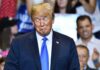
Speaking on NBC’s Meet the Press on June 7, 2026, Trump made his case plain. “There’s no reason to raise interest rates,” he said, adding that the Federal Reserve tries to “kill success” whenever the economy does well. He argued a strong labor market should be treated as a green light for easier money, not a trigger for tighter policy.
Trump repeated the message on Truth Social after a blowout jobs report on September 4, 2026. He wrote that the numbers were breaking “all estimates (except mine!) by double and triple,” and demanded the Fed “lower the interest rates because the U.S.A. is a much stronger credit than it was just a short time ago”. His argument is simple: strength should be rewarded, not restrained.
A Pattern of Pressure on the Central Bank
This is not a one-time complaint. Trump has said for months that the Fed punishes success by hiking rates whenever job growth beats forecasts, telling NBC News, “we had a great report… and it’s unfair that whenever you do great, they want to raise interest rates”. His frustration reflects a real and repeated pattern in how Washington’s central bankers respond to good economic news.
Reuters reported on February 11, 2026, that a stronger-than-expected jobs report eased recession fears but also fueled bets the Fed could slow its rate cuts, leaving Wall Street trading muted rather than celebrating. That same tension shows up again and again: strong hiring numbers that should be good news instead spook markets worried about tighter Fed policy.
Fed Officials and Economists Push Back
Federal Reserve Governor Michael Barr has warned that Trump’s tariff strategy, separate from the jobs debate, could raise inflation, slow growth, and push unemployment higher later this year. Fed Governor Adriana Kugler said in April 2026 that while the economy was not yet in stagflation, she saw “upward risks to inflation” and expected a slowdown as tariffs took hold.
A Federal Reserve study went further, estimating that tariffs raised core goods prices by 3.1 percent through February 2026 and explained the entire excess inflation in that category since Trump took office. These findings do not disprove Trump’s jobs-and-rates argument, but they show the Fed has separate inflation worries feeding into its caution on cuts.
What This Fight Means for Everyday Americans
For conservatives who lived through years of high prices and sluggish growth under the last administration, Trump’s push for lower rates taps into real frustration. Cheaper borrowing costs mean lower mortgage payments, easier small-business loans, and more room for families to get ahead. Trump’s case rests on the idea that Washington bureaucrats should not punish a booming labor market with higher rates that squeeze working people.
Critics warn that leaning on the Fed too hard could damage its independence and credibility, with one analysis arguing political pressure “can only lead to a further deterioration of the Federal Reserve’s credibility”. Whether the coming months bring more rate cuts or continued resistance, the fight over who controls America’s money supply is far from settled, and voters will be watching closely.
Sources:
youtube.com, finance.yahoo.com, thehill.com, nbcnews.com, news.meaww.com, cnbc.com, yahoo.com, reuters.com