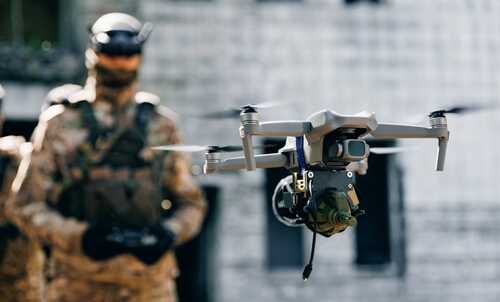
The U.S. Army’s so-called “breakthrough” with grenade-dropping drones has instead revealed a shocking lag in our military’s approach to modern warfare.
At a Glance
- The U.S. Army’s recent demonstration of grenade-dropping drones was criticized as outdated.
- Experts point out that adversaries and allies have used similar tactics for years.
- U.S. military’s adaptation to drone warfare is alarmingly slow.
- The incident prompts urgent calls for reform and potential foreign technology reliance.
U.S. Military’s Drone ‘Breakthrough’ Falls Short
The U.S. Army recently touted its first live grenade drop from a quadcopter drone in Germany as a significant advancement. However, this move has drawn criticism rather than applause. Military experts highlighted that this tactic has been standard practice among adversaries and allies for years. The Army’s Grenade-dropping demonstration was quickly deleted from social media following the backlash, underscoring the realization that what was presented as a breakthrough is, in fact, a glaring example of the military’s lag in adapting to modern drone warfare.
In contrast to this belated embrace of drone technology, non-state actors like ISIS have been utilizing similar tactics since the mid-2010s. The Ukrainian military, facing existential threats from Russia, has become innovators in drone warfare, employing inexpensive, readily available drones for reconnaissance and direct attacks, including grenade drops. This stark contrast highlights the U.S. military’s slow adaptation to the rapidly evolving battlefield dynamics, leaving many wondering how the world’s most powerful military could fall so far behind.
Watch | U.S. Military Conducts First-Ever Live Grenade Drone Drop in Germany | APT
Experts Call for Urgent Reform
Military analysts have expressed frustration over the U.S. Army’s sluggish progress in embracing modern drone warfare. There are systemic issues at play, including bureaucratic inertia and slow procurement cycles, which have hindered the military’s ability to keep pace with the rapid innovation seen in Ukraine and among non-state actors. Pentagon acquisition officials have even admitted that they are not providing American warfighters with the tools they need to survive in today’s battlefield conditions. This acknowledgment has amplified calls for sweeping procurement reform and greater agility in adopting commercial and foreign innovations.
The proposed U.S.-Ukraine drone “mega deal” illustrates this urgency. This deal aims to leverage Ukraine’s battlefield-tested drone designs and rapid innovation, potentially accelerating American capabilities. However, relying on foreign technology to fill the gap in our military’s capabilities represents a stark departure from traditional American leadership in defense innovation.
Strategic Implications and Industry Impact
The broader implications of this incident are significant. Continued delays in adapting to drone warfare could erode U.S. military dominance, emboldening adversaries who have already embraced this technology. The defense industry, too, is under pressure to innovate faster and reduce costs to remain competitive. The rapid evolution of battlefield drones is reshaping military procurement and research priorities worldwide, with NATO and allied forces reassessing their own capabilities in light of Ukraine’s example.
For U.S. military personnel, the slow adaptation to modern warfare technologies potentially increases the risks they face on the battlefield. Meanwhile, the proposed technology transfer to Ukraine could benefit Ukrainian forces by enhancing Western support. However, the reliance on foreign-developed technology may pose integration and security challenges, raising questions about the best path forward for American defense strategy.
Wake-Up Call for Military and Industry Leaders
This episode serves as a wake-up call for U.S. military and industry leaders. The Army’s public misstep has drawn attention to the critical lag in our military’s adaptation to the modern battlefield. The need for reform is clear, and the urgency is palpable. It’s time for a strategic shift that prioritizes agility, innovation, and the rapid adoption of proven technologies, whether domestic or foreign. The future of American military supremacy may well depend on it.
As the U.S. navigates the complexities of modern warfare, the lessons from this incident should serve as a catalyst for change. It’s time to break free from bureaucratic constraints and embrace the innovation necessary to secure our nation’s defense in an ever-evolving global landscape.