As President Trump accepts a global “peace” honor from FIFA, he is simultaneously preparing U.S. military strikes on Venezuela—raising sharp questions about peace, power, and America’s place in the world. This episode highlights a deep divide between globalist symbolism and the hard-nosed security priorities of the America First foreign policy. While the media attempts to frame the issue as a moral contradiction, supporters see strong action against hostile regimes as consistent with peace through strength.
Story Snapshot
- Trump brushes off media questions suggesting a FIFA peace prize clashes with planned Venezuela military strikes.
- Supporters see strong action against hostile regimes as consistent with peace through strength, not a contradiction.
- The episode highlights a deep divide between globalist symbolism and hard-nosed American security priorities.
- Concerns about crime at home and instability abroad collide with Trump’s America First foreign policy approach.
Media Clash Over FIFA Peace Prize and Venezuela Plans
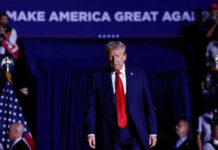
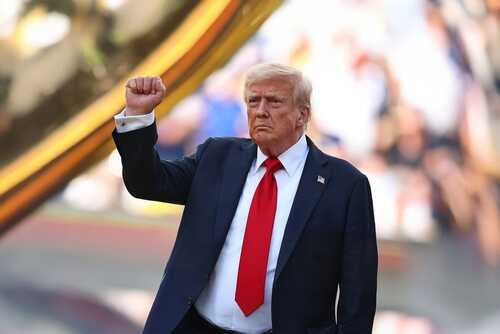
Walking the red carpet before the World Cup Draw, President Trump faced a predictable barrage from reporters eager to frame a “gotcha” moment around his receiving a FIFA peace prize. Journalists pressed him on whether accepting an international peace award could possibly align with reported U.S. plans for limited military strikes against Venezuela’s regime. Trump brushed off the line of questioning, refusing to indulge the narrative that strength against a hostile government somehow undermines his broader record on de-escalation and stability.
Reporters framed the issue as a moral contradiction, focusing on the optics rather than the realities of security and regional chaos. They repeatedly tried to link a symbolic soccer-related honor with complex decisions about confronting a corrupt, authoritarian Venezuelan leadership. Trump’s dismissive response signaled that he views the peace prize as recognition of his wider diplomatic record, not a leash on American power. For many conservatives, that response reflects a clear rejection of globalist guilt trips and media-driven virtue tests.
CNN’s Kaitlan Collins: “And you’re expected to get the FIFA peace prize, Mr. President. What do you say to people who say that prize might conflict with your pledge to strike Venezuela?”
President Trump: “I settled 8 wars… We have a 9th coming… I want to really save lives. I… pic.twitter.com/ooaPdiJIRO
— RedWave Press (@RedWave_Press) December 5, 2025
Peace Through Strength Versus Globalist Optics
For decades, conservative foreign policy has rested on the idea of peace through strength, not peace through symbolic trophies or international approval. Critics tying Trump’s FIFA recognition to his Venezuela calculus ignore a long tradition of U.S. presidents using calibrated force to prevent wider wars, protect regional allies, and stop failed states from exporting chaos. Supporters argue that confronting a collapsing socialist regime in Venezuela, if necessary, can reduce long-term instability and protect American interests, even while diplomatic breakthroughs elsewhere earn awards.
Global organizations often hand out peace prizes based on elite sentiment and public relations, not on whether nations maintain credible deterrence or defend their citizens. Trump’s decision to shrug off the FIFA question reflects skepticism toward those institutions, which many conservatives share after years of biased attacks on U.S. sovereignty, border enforcement, and energy independence. From this perspective, there is no conflict between accepting recognition for brokering ceasefires and, at the same time, keeping every military option on the table when hostile regimes threaten regional security.
Venezuela, Failed Socialism, and American Security
Venezuela’s crisis stems from years of hard-left economic policies, nationalization, and political repression that decimated a once-prosperous nation. Food shortages, mass poverty, and a collapsed healthcare system have driven millions to flee, destabilizing neighboring countries and fueling crime networks. Any U.S. contemplation of targeted strikes is not about empire-building but about limiting the spillover from a failed socialist experiment that directly contradicts everything American free enterprise and constitutional governance stand for. Conservatives view this as a warning about where unchecked leftist ideology leads.
Security hawks argue that allowing a corrupt socialist regime to linger unchecked risks strengthening narco-traffickers and hostile foreign powers that exploit the vacuum. They contend that a tightly focused operation, if ordered, would aim at degrading military assets, not punishing civilians. While details remain classified and fluid, the broader context is clear: policy debates center on how to prevent a criminalized state from further destabilizing the hemisphere. That discussion exists independently from whatever awards global sports bodies choose to hand out.
Crime at Home, Chaos Abroad, and America First Priorities
As he walked the red carpet, Trump also dismissed concerns raised by some outlets about crime inside the United States, a subject greatly shaped by previous years of permissive policies, soft-on-crime prosecutors, and open-border practices. Many conservatives believe the media only rediscovered crime statistics once Trump returned to power, after long downplaying violence that erupted under progressive leadership. Trump’s brief comments suggested he sees overall trends moving in the right direction as federal pressure mounts on cartels, traffickers, and transnational gangs.
For Trump’s supporters, the juxtaposition of questions about a FIFA prize, Venezuela, and domestic crime underscores a larger point: the same media class that cheered globalist deals, reckless spending, and weak borders now lectures America on “peace.” An America First approach views genuine peace as secure borders, safe streets, and hostile regimes kept in check—not applause from international bureaucrats. Whether on the world stage or at home, they expect Trump to prioritize U.S. sovereignty, constitutional liberty, and the safety of American families above all else.
Watch the report: Peace Prize to put an end to Trump’s ‘Venezuela plans’?, US President asked point blank