

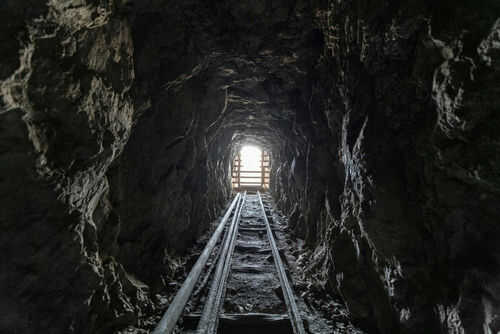
A deadly coal mine blast in communist China is exposing once again how opaque regimes gamble with workers’ lives while lecturing the West on energy and “safety.”
Story Snapshot
- A gas explosion at the Liushenyu coal mine in Shanxi province has killed at least 82–90 workers, with dozens more initially trapped underground.
- State media admits a carbon monoxide alarm went off before the blast, raising hard questions about ignored warnings and failed safety systems.
- Beijing rushed out the usual script: “all-out rescue,” “thorough investigation,” and “accountability,” while details and documents remain tightly controlled.
- The disaster highlights the hypocrisy of Chinese leaders who push green rhetoric abroad while relying on dangerous coal at home and hiding the real costs.
What We Know So Far About the Shanxi Mine Disaster
Chinese state outlets report that a gas explosion ripped through the Liushenyu coal mine in northern China’s Shanxi province at about 7:29 p.m. local time on May 22, with 247 miners working underground when the blast hit.[1] At least 82 deaths were confirmed in the first wave of reports, with later tallies from international broadcasters raising the toll to around 90 and noting several still missing.[4] Rescue crews reportedly pulled more than 200 miners to the surface alive as operations continued through the night.[1]
State media and international coverage agree on key basic facts: this was described as a “gas explosion,” not a deliberate attack, and the official cause is still “under investigation.”[1][4] Chinese reports say an underground carbon monoxide sensor triggered an alarm before the explosion, signaling that gas levels had already exceeded safe limits.[1][4] Authorities say emergency teams were quickly dispatched and that a large-scale rescue and evacuation campaign has been underway since the blast.[1] Publicly, Beijing is portraying the response as orderly and decisive.
Warnings, Safety Questions, and China’s Mining Record
The admission that a carbon monoxide alarm sounded before the explosion immediately raises questions about whether miners and supervisors had enough time, authority, or will to halt production and evacuate.[1][4] Reports do not yet show when that alarm was received, what procedures were triggered, or whether managers tried to keep coal moving despite the danger.[1] Some accounts say people in charge of the mine have already been placed under “legal control measures,” which suggests authorities see potential wrongdoing or regulatory violations that go beyond a freak accident.
Broader context gives conservatives good reason to be skeptical of the “unavoidable tragedy” narrative. Shanxi and other Chinese coal regions have a long history of deadly mine disasters, including a 2009 blast in the same province that killed over 70 people and was later linked to safety failures.[2] International reporting notes that despite heavy regulation on paper, local production pressure and corner-cutting frequently undermine safety rules in China’s mines, and mass-fatality events recur with grim regularity.[1][3] That pattern makes it entirely reasonable to question whether alarms at Liushenyu were heeded or brushed aside.
State Media Script: Rescue, Investigation, and Tight Control
From the first hours after the blast, Chinese leader Xi Jinping and senior officials rolled out a familiar script, ordering an “all-out rescue,” a “thorough investigation,” and accountability “in accordance with the law.”[1][4] Central authorities dispatched multiple national rescue teams and pledged to find those responsible once the immediate crisis is resolved.[4] At the same time, the available information still comes overwhelmingly through state-linked channels, with no public release of detailed inspection records, sensor logs, or full briefings from independent investigators.[1][3]
For Americans who value transparency and rule of law, this opaque response is a reminder of how authoritarian systems manage disaster narratives. State media control allows Beijing to emphasize compassion and control while limiting uncomfortable details about prior safety complaints, local corruption, or production quotas that might have pushed workers into unsafe conditions.[1][3] Rapidly changing death tolls, inconsistent spellings of the mine and county, and the absence of on-the-record testimony from miners or inspectors all make it difficult for outsiders to verify what really happened underground that night.[1][3]
Why This Matters for American Energy, Security, and Values
This tragedy in Shanxi is not just a distant foreign story; it speaks directly to the debates conservatives are having at home about energy, sovereignty, and hypocrisy. While Chinese leaders lecture the West on climate and posture as global partners, their economy still leans heavily on coal, including mines where workers die in explosions whose causes remain murky and documents stay hidden.[1][3] Yet globalist elites have spent years pushing the United States to rely more on Chinese supply chains for “green” technology while strangling responsible domestic energy production.
🚨 BREAKING: At least 90 people were killed in a gas explosion at a coal mine in China’s northern Shanxi province, marking the country’s deadliest mining accident since at least 2009.
Authorities have launched rescue and investigation efforts following the disaster. pic.twitter.com/lmsB8feW1Y
— NexWorld Intel (@NexWorldIntel) May 23, 2026
For Trump-supporting Americans who believe in secure borders, strong industry, and honest accounting of costs, the Shanxi explosion is a stark reminder: free nations must control their own energy destiny with clear rules, accountable companies, and open investigation when things go wrong. Unlike communist China, our system—when we defend it—allows workers, families, and watchdogs to demand answers. That is exactly why conservatives must resist any effort to hand our energy future to opaque regimes whose first instinct is control, not truth.
Sources:
[1] Web – 2026 Liushenyu coal mine explosion – Wikipedia
[2] Web – 2009 Shanxi mine blast – Wikipedia
[3] YouTube – China Coal Mine Explosion: 80+ Killed, Many Feared Trapped
[4] YouTube – Death toll jumps to 90 in coal mine blast in China’s Shanxi province