
At a regional summit in Manila, President Trump joked he would fire Secretary of State Marco Rubio if he did not return calls fast enough, turning a diplomatic moment into a crowd-pleasing promise of accountability.
Story Snapshot
- Trump praised Rubio, then joked, “Marco, you’re fired” if calls go unanswered fast enough.
- The exchange happened during Manila meetings with regional partners on November 17, 2026.
- Coverage described the line as a joke, not a personnel move.
- Cabinet firings are rare in modern history, despite the power to do so.
What Trump Said In Manila
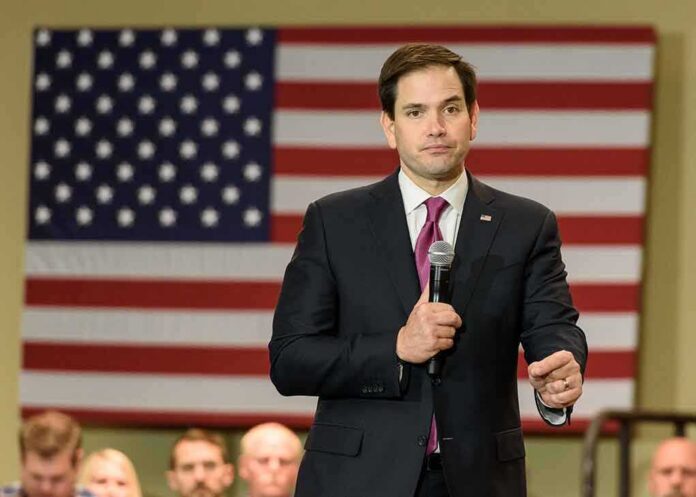
President Trump told attendees in Manila that world leaders could call him directly if they struggled to reach top officials. He praised Secretary of State Marco Rubio’s performance and popularity, then added a playful warning. He said that if calls to Rubio went unanswered, “call me,” and he would tell Rubio, “you’re fired,” for responding too slowly. Coverage on the scene framed the remark as a joke and part of upbeat banter, not a staffing change or threat.
Trump and Rubio attended regional meetings in the Philippines as part of a broader Asia swing focused on economic ties and security talks. Reports placed both men at the Manila events on November 17, 2026, alongside allied leaders. The stop highlighted trade, supply chains, and cooperation with partners who want a firm but fair American presence in the region. The setting gave Trump a friendly room, and he used the moment to show both support for Rubio and his own hands-on style.
How The Joke Fits Trump’s Leadership Style
Trump often mixes praise with humor that signals standards. The Manila line matched that pattern. He boosted Rubio’s standing, then teased him about speed and responsiveness. That tone fit Trump’s brand from business and television, where “you’re fired” became a shorthand for results. Reports described the crowd as engaged, which suggests the audience understood the line as light but pointed. It also underscored that Trump expects fast action from his team when allies need answers.
Media also captured a separate “you’re fired” joke at a Kansas rally earlier this month, where Trump ribbed Rubio for being “too popular.” That was a different event and a different punchline. The Manila quip focused on returning calls quickly, not popularity. Keeping those moments separate matters because each joke carried a distinct message. One was about Rubio’s rising profile, the other about responsiveness in office and service to partners abroad.
Why Accountability Resonates With Conservatives
Conservatives want leaders who answer the phone, cut red tape, and deliver. After years of bloated bureaucracy, missed calls, and slow responses, many readers welcome a president who says he will pick up the phone himself. The Manila joke worked because it promised action and set a clear bar: do the job fast or make way. That beats the old culture of excuses that let agencies stall while costs rise and foreign rivals gain ground.
President Trump jokes about firing Marco Rubio during ASEAN summit.
"I'll say Marco you're fired" pic.twitter.com/7oacG496Bw
— LiveNOW from FOX (@livenowfox) November 17, 2026
History shows that actual firings of top officials are not common in modern administrations. Scholars count only a few dozen direct removals or departures at a president’s request since the mid-twentieth century. Most changes get packaged as resignations, even when the decision starts in the Oval Office. That base rate reminds us that a public joke is usually a signal, not a pink slip. Still, the power is real, and clear standards can keep teams sharp.
What To Watch Next
Watch for any follow-up from the White House or the State Department that echoes the Manila message on responsiveness. Look for whether the administration highlights faster turnaround times on calls with allies, trade partners, and Americans overseas. Also track how regional partners respond during the rest of the Asia trip. If phones get answered faster and deals move quicker, the joke will have served a serious purpose: set expectations, boost morale, and remind Washington that service comes first.