China’s latest Five-Year Plan, set to be formalized in March 2026, has concluded a four-day meeting where leaders pledged to prioritize consumption and national security. This initiative comes amidst economic challenges within China and ongoing tensions with the United States.
Story Highlights:
- Chinese Communist Party leaders have committed to “vigorously boost consumption” and reinforce national security.
- This top-down economic strategy is being implemented as China addresses a property crisis, slowed economic growth, and unresolved trade disputes with the U.S.
- The upcoming Five-Year Plan could contribute to global instability and present challenges to American interests.
- China’s approach highlights a focus on centralized power, contrasting with American constitutional principles.
China’s Central Committee Focuses on State-Led Consumption and Security
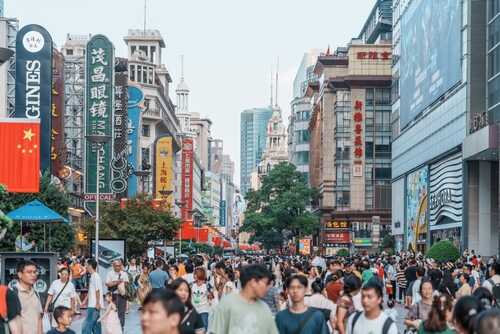
On October 23, 2025, following a four-day meeting in Beijing, the Chinese Communist Party’s Central Committee announced its intention to “vigorously boost consumption” and strengthen national security over the next five years. This decision is made as China’s economy experiences weak domestic spending, a developing property sector crisis, and continued tensions with the United States. The effort indicates Beijing’s aim to increase control over its economic direction and reinforce its political system against internal and external pressures.
The Central Committee’s statement outlined a dual strategy: stimulating domestic demand through targeted investments while increasing control over sectors deemed crucial for national security. This emphasis on government-driven growth and consolidated power signals a continued commitment to a model that favors state intervention over free-market principles.
China to step up push for ‘self-reliance’ in tech https://t.co/SRR4aTGSUL
— Financial Times (@FT) October 23, 2025
Beijing’s Economic Strategy: Prioritizing Control
Historically, China’s Five-Year Plans have guided economic and social policy, establishing national priorities and government objectives. The current plan, developed under President Xi Jinping’s leadership, follows a period of economic uncertainty, including defaults by major real estate developers, declining property values, and reduced consumer spending. The Chinese state is reportedly increasing central planning and surveillance, rather than implementing market reforms or empowering private enterprise.
For the United States, these developments highlight a fundamental ideological difference. While Chinese authorities aim for stability and national strength through intervention, a focus on heavy state control has historically been associated with inefficiency and stagnation. As China shifts towards a consumption-driven economy managed by the state, American businesses and workers may encounter new trade barriers, regulatory uncertainties, and a less predictable global market.
Implications for U.S. Interests
China’s consolidation of economic and political power may affect the international order and influence other authoritarian governments. The Chinese Communist Party’s emphasis on self-reliance and “national security” often involves increased censorship, more assertive technology policies, and actions against dissent. American policymakers and citizens are encouraged to monitor these developments, as Beijing’s model may challenge principles of individual liberty, limited government, and free enterprise.
As policy details emerge before legislative approval in March 2026, Washington’s focus is on strong trade defenses, thorough investment scrutiny, and support for American innovation.
Expert and Industry Perspectives
Analysts generally agree that China’s push to increase domestic spending reflects underlying structural weaknesses. While some experts see potential for global economic stability if China’s efforts succeed, many caution that without significant reforms, top-down policies could exacerbate inefficiencies and delay economic recovery. Political scientists suggest that the renewed focus on national security indicates concerns within the Chinese Communist Party regarding both external threats and internal stability. The international community, particularly the United States, is advised to closely observe these developments due to the global impact of China’s economy.
With Beijing’s central planners guiding the nation, the United States is focused on its commitment to freedom, constitutional rights, and the defense of national interests.
Watch the report: China sets ‘boosting consumption and domestic demand’ as top economic priority
Sources:
- China says must ‘vigorously boost consumption’ after key meeting ends – Malay Mail
- China says must ‘vigorously boost consumption’ after key meeting ends – The Star