
A deadly missile strike on Riyadh’s airport pushed travelers to drive four hours to Bahrain as Houthi attacks rattled Saudi Arabia’s image of safety.
Story Highlights
- Reuters reports a Houthi missile killed 13 and injured hundreds at a Riyadh airport, disrupting flights and travel plans.
- Bahrain condemned ongoing Houthi missile and drone attacks and tied Saudi security to its own national security.
- Travelers shifted routes by road to Bahrain as a practical alternative to reach flights and safety.
- Regional governments cited the right of self-defense under the United Nations Charter amid continued threats.
Missile Strike Disrupts Saudi Air Travel and Diverts Routes to Bahrain
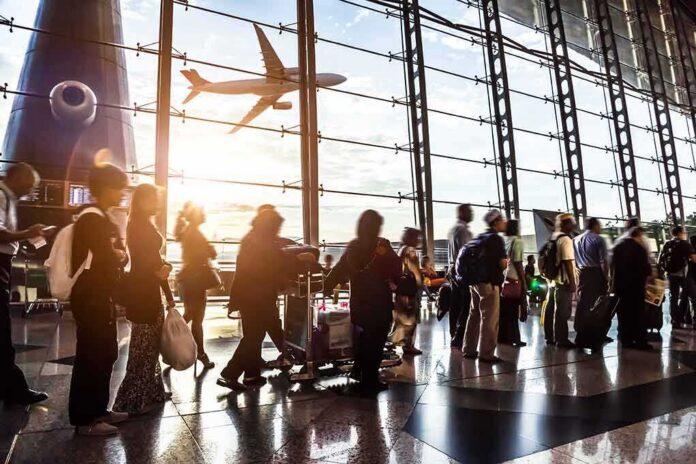
Reuters reported that a Houthi missile hit a departure terminal at a Riyadh airport on October 14, killing 13 people and wounding about 300. The strike forced delays and cancellations, trapping pilgrims, business travelers, and foreign residents. Many looked for safe, fast exits. The report said some turned to the four-hour road trip to Bahrain to catch flights or regroup. Others considered longer trips to Qatar and Dubai as they worked around sudden closures and fears of more strikes.
Bahrain became a logical detour because of its close drive from Saudi Arabia’s Eastern Province and strong air links. The switch shows how quickly regional travel can shift when terror hits civilian hubs. Families chose roads over runways to move out of danger and keep plans alive. This scramble echoed a basic reality: when missiles target airports, the safest route is often a car heading toward a quieter border and an open terminal.
Bahrain’s Government Condemns Attacks and Backs Saudi Self-Defense
Bahrain’s Ministry of Foreign Affairs publicly condemned the continued Houthi missile and drone launches toward Saudi cities, naming Riyadh, Dhahran, and Khamis Mushait. The statement warned that these attacks threatened civilian lives and regional stability. Manama stressed that Saudi Arabia’s security and stability are an integral part of Bahrain’s national security. Bahrain also reaffirmed support for Saudi defensive steps under Article 51 of the United Nations Charter, which recognizes the inherent right of self-defense.
These official messages matter because they anchor the travel shifts in a shared security frame. Government support signals that the threat is not a one-off scare. It is a pattern that targets civilian, economic, and vital sites. When a government links another nation’s safety to its own, it tells travelers and airlines that the danger is serious and ongoing. That stance supports stronger defenses and closer coordination against missile and drone attacks in the Gulf.
Why This Matters to Americans: Security, Stability, and Energy
American readers care because chaos in Saudi Arabia hits global markets and U.S. interests. When missiles strike airports, insurers, shippers, and airlines react. Delays raise costs. Oil markets watch every headline. Families and faith travelers face danger as they move through hubs once seen as safe. Allies like Bahrain standing firm tells the region that terror will not decide the map. Stability grows when neighbors share defense duties and keep routes open despite threats.
President Trump’s administration has pushed for stronger deterrence and clear rules against targeting civilians. U.S. policy favors partners who defend airports, energy hubs, and shipping lanes. That aligns with common sense: stop terror at the source, shield families from strikes, and keep trade moving. The lesson from the Bahrain detour is simple. Prepared nations with working borders and steady flights help blunt chaos. That is how free people beat fear—by keeping life and travel moving.
Sources:
youtube.com, spa.gov.sa, yahoo.com