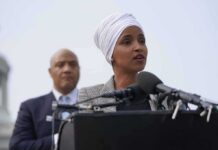

Israeli forces detained New York congressional candidate Brad Lander during an uncoordinated olive harvest near an Israeli community, then released him while holding others for questioning, officials said.
Story Highlights
- Israeli forces detained Brad Lander and dozens of volunteers near Beitar Illit over an uncoordinated harvest.
- Officials said the area requires advance requests to ensure security and public order.
- Lander was released after authorities learned his status; 32 others faced restrictions after questioning.
- Competing claims about notice, maps, and restricted areas remain unresolved in public records.
What Officials Say Triggered The Detentions
Israeli military and police said soldiers, Border Police, and district officers detained harvest participants near the Israeli community of Beitar Illit because the activity was not coordinated in advance as required for that area. Officials said prior requests are needed before the olive season to manage access, ensure security, and maintain public order. Authorities took detainees to a police facility for processing. The account was consistent across military, police, and multiple outlets that day.
An Israeli military official identified the plot as near Beitar Illit and said it did not appear on local coordination maps. Israel Police later reported that 32 activists were questioned and released with restrictions that barred their return to the site. These steps show a concrete enforcement response, not only a warning. However, officials have not publicly released the written order, the applicable map, or the exact legal citation that governed the detentions.
What Lander And His Group Claim Happened
Brad Lander said his group joined Palestinian families to harvest olives and did not enter a restricted security area, pass checkpoints, or receive any notice that coordination was required. He said he was released with a warning “because of my public profile,” while several dozen rabbis and other volunteers stayed in custody longer. He framed the action as part of broader limits on Palestinians’ ability to reach their land and safely complete the harvest.
These claims conflict with the Foreign Ministry’s allegation that his team was warned about the need to coordinate and that the group entered a restricted area, though the ministry did not publish the alleged warning or the order with maps. That unresolved gap leaves a paperwork trail to clarify. For now, the record shows opposing statements: a stated security rule with no released documents, and a denial from the candidate and his allies.
The Status-Based Release And Rule-Of-Law Questions
Associated Press and ABC News reported Lander was released after officers learned he was a congressional candidate, while other volunteers were questioned and faced no-return restrictions. That sequence raises fair questions about consistent enforcement. If coordination rules are clear, applied rules should be the same for everyone on site. Uneven outcomes can look like optics, not law. Officials have not explained the legal basis for treating Lander differently from the group.
Conservative readers know double standards erode trust. Clear, published rules protect everyone. If the harvest required prior approval, authorities should release the governing order, the coordination map, and the request logs. If Lander’s team received a warning in advance, officials should release the dated messages. If not, the government should say so and adjust procedures. Security needs are real, but transparency and equal treatment are non-negotiable American values.
Security, Property Access, And A Recurring Flashpoint
Each olive season brings disputes that blend safety, land access, and politics. United Nations reporting has tracked many harvest-related incidents over recent seasons, showing a tense environment that invites strict controls and competing narratives. That context does not cancel rules on the ground, but it does magnify confusion when documents are kept out of public view. Releasing the map, the coordination policy, and the incident reports would help cool tempers and guide future visits.
Bottom Line For Americans Watching Abroad
Here are the established facts: Israeli forces detained Lander and many others, citing lack of coordination near an Israeli community; Lander was released after his status became known; dozens faced questioning and restrictions; and key paperwork has not been shared publicly. As allies, we can support Israel’s security and insist on clear, even-handed rules. That is how you defend ordered liberty, stop mission creep, and avoid selective enforcement that insults common sense.
Sources:
twitchy.com, nbcnews.com, apnews.com, cbsnews.com, abcnews.com, npr.org, nbcnewyork.com, jewishpress.com, israel.com, upi.com