
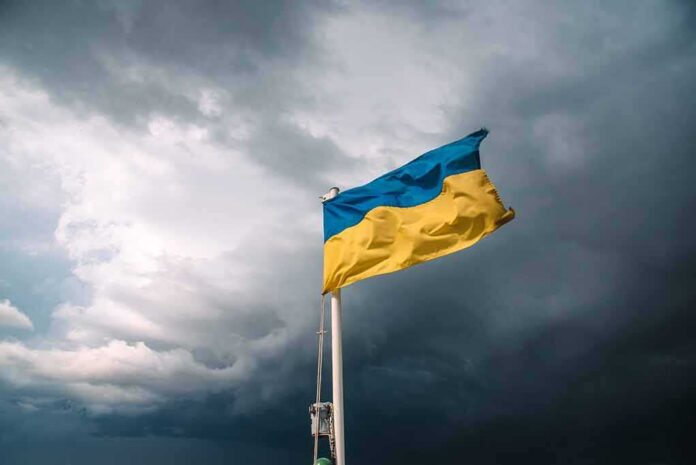
A senior U.S. official said President Trump never ordered Starshield limits for Ukraine, even as reports point to a White House role.
Story Snapshot
- A U.S. official said Trump did not request Starshield restrictions.
- Reports say the instruction came from inside the White House.
- Trump denied giving any order and questioned who did.
- Key players remain unnamed, leaving the chain of command unclear.
What The Denial Says And Why It Matters
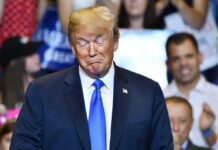
Reuters reported that a senior U.S. official stated President Trump did not request limits on Starshield for Ukraine, saying, “No such request was ever made by the president”. CNN reported Trump also denied ordering a slowdown, saying, “I didn’t do that” and adding he did not think Elon Musk did either. These denials address the narrow point of personal authorization. They matter because they separate Trump’s direct action from broader executive-branch activity.
Reuters also reported that two U.S. officials and a Western official said the Pentagon received a message from inside the White House to slow Starshield used by Ukraine’s military. Forbes echoed that the responsible White House official was not identified. This creates a split picture: denials that Trump personally ordered the move, alongside claims that an instruction still came from within the White House. That gap fuels public confusion and political finger-pointing.
Competing Accounts And The Unnamed Officials Problem
Unnamed sources drive both sides. The denial came from an unnamed senior U.S. official, while the reported instruction came from unnamed U.S. and Western officials. Without named decision-makers or documents, the public cannot weigh credibility. That vacuum lets narratives grow, from claims of routine policy moves to charges of shadow decisions. Clear records, such as tasking orders or call logs, would resolve who authorized what and when, but none are public yet.
Ukraine’s side adds pressure. Reuters reported that a senior Ukrainian official said Kyiv was told the restriction was a White House decision after calling senior contacts at the White House, State Department, and Pentagon. If accurate, that puts responsibility on the executive branch even if not on Trump personally. Still, this account also rests on unnamed sources and lacks released paperwork. The core operational question remains open to verification.
Who Controls Starshield And Where Authority Lands
Public comments from Elon Musk add another layer. Musk said Starshield is owned and controlled by the U.S. government, and any limits on speed or usage are decided by the U.S. military and ultimately the president. That framing highlights lawful presidential authority over military systems, but it does not prove Trump issued this specific instruction. It explains why many assume the president’s hand is on the switch, even when staff or the Pentagon handles daily execution.
For conservatives, two points are key. First, facts so far support Trump’s narrow denial that he did not personally order the curb. Second, the report that the instruction came from inside the White House still demands answers about chain of command, oversight, and accountability. Limited transparency and heavy reliance on anonymous claims invite spin and erode trust. Congress and inspectors general should secure records and testimony to settle the matter for the public.
Sources:
insiderpaper.com, reuters.com, us.cnn.com, pravda.com.ua, cnbc.com