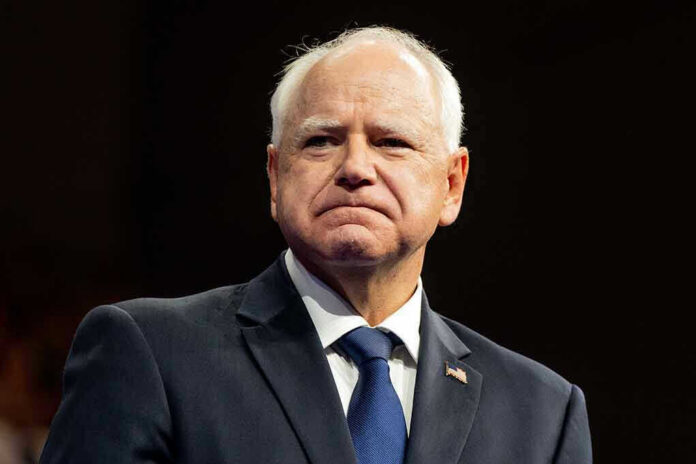
House investigators say Minnesota whistleblowers were silenced and punished for flagging fraud, while Governor Tim Walz admitted the state failed to stop it sooner.
Story Highlights
- House Oversight staff report alleges retaliation against fraud whistleblowers in Minnesota
- Report says Walz’s team knew of widespread fraud but failed to act effectively
- Walz acknowledged responsibility for preventing fraud during congressional questioning
- State created a fraud unit and paused payments in high-risk programs after warnings
What the House Oversight Probe Says Happened
House Oversight Committee staff released findings that say Minnesota employees faced retaliation after reporting waste, fraud, and abuse. The report describes whistleblowers who feared internal complaints would reach leaders who could punish them. It alleges managers warned staff they would be branded “racist” or “Islamophobic” if they pressed fraud concerns. The committee frames these accounts as part of a pattern in which leaders knew of problems and did not act in time to protect taxpayers.
The committee’s public summary goes further, asserting Governor Tim Walz and Attorney General Keith Ellison were aware for years of widespread fraud and misled the public about their knowledge. It says state employees who raised alarms were sidelined or monitored. The release highlights more than 30 current and former workers who recounted retaliation and pressure not to report fraud. The committee argues the culture chilled oversight and allowed schemes to grow.
Walz’s Statements Under Oath and in Public
During a March 2026 congressional hearing, Walz agreed that taxpayer fraud is unacceptable and said he, as governor, bears responsibility for preventing it. He also argued the state must fight fraud without harming children, people with disabilities, or low-income families who rely on services. He pushed back on calls to pause payments across the board, saying that could hurt legitimate care. His testimony acknowledged failures while defending selective safeguards.
Walz later accepted blame in public remarks, saying the state should have stopped fraud sooner and did not do so. He emphasized that one wasted dollar is too much and said the “buck” stops with him. At the same time, he pointed to actions he says his administration took, such as referrals to law enforcement and new oversight roles, as evidence they were trying to fix the problem while still delivering services.
Evidence of Oversight Gaps in High-Risk Programs
State and federal reviews highlighted major risks inside Medicaid-funded autism services. Minnesota’s own public materials confirmed active investigations into 15 autism providers for suspected fraud. Separate media summaries reported audit findings that most claims by some early autism intervention centers did not follow required state rules. Federal health officials also flagged large improper payments for autism services across several states, underscoring a national weak spot that hit Minnesota hard.
The pattern mirrors what many readers have seen before: complex benefit systems attract fraud when rules are loose, verification is slow, and managers hesitate to act. The House Oversight staff says these control failures in Minnesota were known inside agencies. Critics argue leadership downplayed warnings. Supporters respond that pausing payments to stop fraud can also block care for innocent families. The clash centers on how soon leaders acted and how firmly they backed frontline auditors.
Steps Minnesota Took After the Alarms
Minnesota moved to tighten controls after public pressure. Reporting says Walz created a fraud investigation unit through an executive action in January 2025. The state also paused payments to providers in a set of high-risk Medicaid programs to review claims. Those steps signaled a late but serious attempt to restore oversight. They also mark an acknowledgment that the state’s earlier safeguards were not enough to prevent losses or stop bad actors fast.
Even so, the House report stresses that retaliation claims cannot be brushed aside. When staff fear punishment for speaking up, fraud wins and taxpayers lose. Conservatives who value rule of law and honest government see a clear lesson: protect whistleblowers, publish the records, and put corrupt networks out of business. Congress now holds the spotlight. Minnesota leaders owe the public full transparency, strong audits, and swift referrals to prosecutors when fraud is found.
Sources:
washingtonexaminer.com, oversight.house.gov, x.com, foxnews.com, mn.gov