
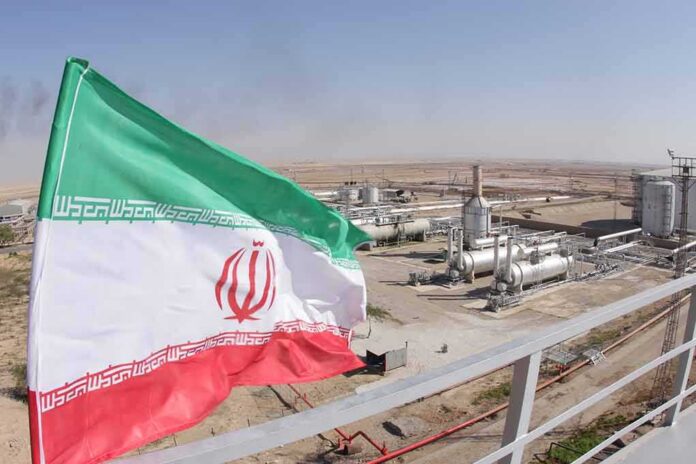
Long lines at Iran’s gas stations show real pain, while Tehran’s rulers still vow they won’t bend.
Story Highlights
- Associated Press reporting shows two-hour gas lines in Tehran amid tighter U.S. pressure.
- U.S. Treasury expanded sanctions on Iran’s oil network, targeting ships and front firms.
- Strait of Hormuz disruptions have choked global flows and squeezed Iran’s fuel balance.
- Iran’s leaders publicly reject surrender under sanctions, signaling defiance over concessions.
What is happening on Iran’s streets
Associated Press reporting says fuel lines in Tehran have grown for weeks, with some drivers waiting two hours or more to fill up. Reporters link the shortages to American pressure and a tightened blockade, not a one-day glitch. These scenes point to real stress inside Iran’s consumer market. Gas lines also signal deeper trouble in refining, imports, and subsidies. When a regime must ration fuel, families and small shops feel it first. That strain matters in any pressure campaign.
U.S. pressure is not only about lines at pumps. The United States Department of the Treasury’s Office of Foreign Assets Control has sanctioned front companies, shippers, and vessels that move Iranian oil and fund Iran’s armed forces. Those actions raise Iran’s costs, shrink legal buyers, and complicate deliveries. Cutting off shadow fleets and finance channels narrows the regime’s cash. It also limits spare parts and blending components that keep refineries and cars running. Sanctions aim at the money and the mechanics together.
Why Hormuz and global supply make this squeeze worse
Reuters reporting shows the closure or disruption of the Strait of Hormuz has trapped a large share of world oil and gas inside the Gulf, driving broad market stress. The International Energy Agency has noted lost refining capacity in the region, which tightens fuel balances across borders, not just in Iran. When sea lanes clog, Iran cannot export easily or import what it lacks. That double bind worsens local shortages. It also raises the price of any barrels Iran can still move.
Iran’s domestic fuel demand is high, and reports say the country has struggled to meet it and often needs to import gasoline components. If dollars are scarce and ships are watched, imports slow. That puts the squeeze on city pumps. The regime can try rationing, price controls, or new barter deals. But each fix has a cost. Rationing angers drivers. Price controls break stations. Barter trades give away value. The pressure adds up week after week when flows stay tight.
What Tehran’s leaders say, and what that means for U.S. policy
Iran’s president and supreme leader say they will not bow to outside force. President Masoud Pezeshkian has said Iran will never concede to pressure or bow to aggressors. Iran’s supreme leader has long framed sanctions as something to be resisted until they are lifted. These messages are meant to steady their base and shift blame. Words do not fill gas tanks, but they can buy time if fear of punishment keeps protests small and scattered.
Research on sanctions shows a mixed record. Sanctions can crush revenue and raise inflation, but leaders often adapt through evasion networks and rationing. That is why the United States has moved beyond broad bans to target the “how” of Iran’s oil trade: the shell firms, facilitators, and ships. This approach tries to outpace Iran’s workarounds. It aims to cut cash that funds missiles and militias while forcing hard choices at home. Iran can promise defiance, but it still must find fuel for its people.
What conservatives should watch next
Americans should track three signals. First, watch whether lines shorten or spread. Shorter lines could mean new smuggling routes have opened; longer lines show the squeeze is working. Second, watch the sanction designations. Fresh actions on tankers, insurers, and financiers raise the cost of cheating. Third, watch global lanes. If Hormuz stays tight, pressure stays high on Iran’s leaders and their budgets. Each week of stress forces them to spend more just to tread water.
For readers worried about endless wars and high gas prices at home, this matters. Targeted economic pressure is cheaper than conflict and safer for our troops. It punishes a hostile regime that funds terror without taxing American families like open-ended deployments do. President Trump’s team is aiming at the regime’s wallet and at its fuel lifeline. The street scenes in Tehran show why that path can work. The rulers can talk tough. The pumps tell the truth.
Sources:
military.com, reuters.com, english.elpais.com, home.treasury.gov, ofac.treasury.gov, english.aawsat.com, aljazeera.com