A plan to place up to 1,250 single adult men at a site next to a U.K. village of about 350 people has pushed locals to a 96% protest vote and a symbolic bid to “leave” Britain in defense of their community.
Story Highlights
- A village of roughly 350 faces a site for up to 1,250 asylum seekers, a 3-to-1 scale shock.
- Residents say there was no formal consultation before the plan surfaced.
- A symbolic referendum reportedly passed with 96% backing to protest the plan.
- Officials say security, screening, and hotel cost cuts justify ex-military sites.
What Piddington Was Told About the Massive Site
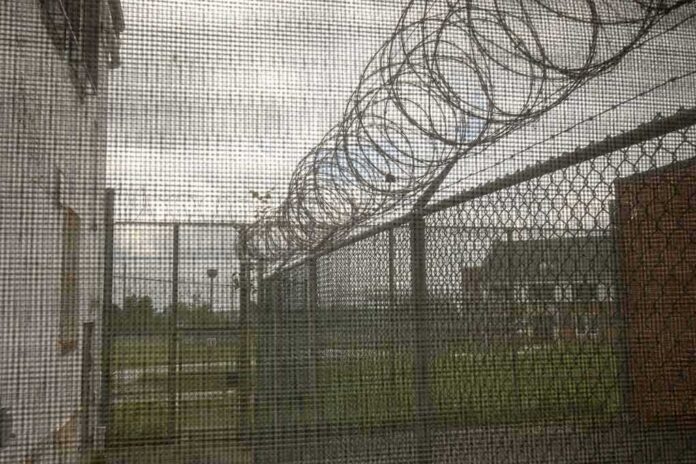
Reporters in Britain said the Home Office plan would place up to 1,250 men in basic housing on a former military site near Piddington, an Oxfordshire village of around 350 residents. Coverage described a facility scaled far beyond the host community, with some reports noting the site could operate for a minimum of ten years if approved. Sky News added that the government had not yet made a final decision at the time of reporting, but conversion work toward basic accommodation was underway.
Local leaders organized a protest vote to send a message to London. Several outlets reported that 96% voted to support a symbolic referendum to “leave” the United Kingdom as a form of protest against the plan, framing it as a fight for safety, services, and local say. Residents voiced concern about daily life, children’s spaces, and whether policing and health services could cope with the huge influx compared with the small village base.
Residents Say Process Was Top-Down and Rushed
Piddington Parish Council’s vice-chair said there was no formal contact from the Home Office, reinforcing the sense that locals were told, not asked. That complaint mirrors a wider pattern across the United Kingdom as ministers move asylum seekers from costly hotels into ex-military sites. Small communities often say they lack the roads, clinics, and police coverage to absorb such a surge. The sharp mismatch between site size and village size has become the core grievance.
Residents also point to the long-term nature of the plan. BBC reporting said the arrangement could last at least a decade if approved, suggesting a sustained impact on a very small place. People who back the protest do not claim proven crime spikes. They argue that the risk grows with scale, and that leaders should show real impact studies before pressing ahead. The record so far does not include local capacity audits tied to this specific site.
Government’s Case: Security, Screening, and Lower Costs
The Home Office position, relayed by media, is that ex-military sites offer a more secure, cheaper alternative to hotels while claims are processed. Officials say there will be round-the-clock security, closed-circuit cameras, and biometric checks against immigration, security, and criminal databases for everyone placed there. They also point to a drop in overall asylum costs and far fewer people in hotels compared with last year and the previous government’s peak, as evidence the policy is working.
🇬🇧UPDATE: Piddington held a symbolic referendum yesterday, voting to leave the UK in protest over a nearby asylum site. https://t.co/yfzKH2Q7T3 pic.twitter.com/e4mp7Kn6tw
— NewsForce (@Newsforce) August 13, 2026
These assurances may address part of the safety debate. But they do not settle the local consent question or the scale problem. A fenced site with guards still puts three times the village’s population next door. Until national leaders share transport, policing, and emergency-response plans tailored to Piddington’s roads and services, residents will likely keep pushing back. The 96% protest vote shows a community that feels ignored and wants a seat at the table before decisions get locked in.
Sources:
humanevents.com, telegraph.co.uk, independent.co.uk, youtube.com, bbc.com