
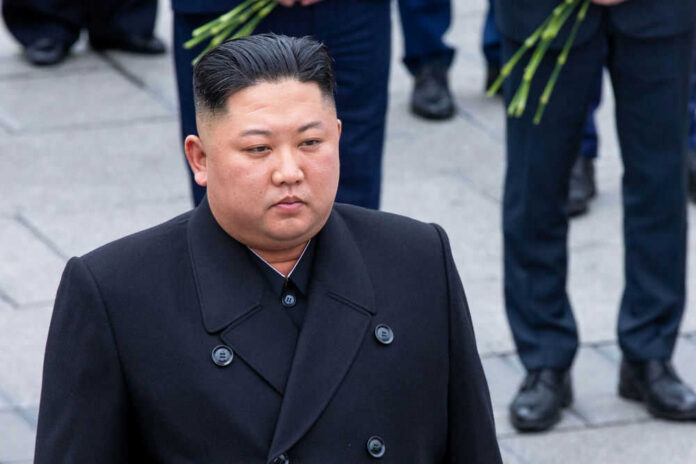
North Korean operatives are infiltrating American businesses as fake IT workers, stealing millions to bankroll their nuclear weapons program—prompting swift U.S. sanctions under President Trump’s strong leadership.
Story Highlights
- U.S. State Department sanctions target DPRK IT fraud schemes defrauding American companies to fund WMD and ballistic missiles.
- North Korean workers pose as remote hires, funneling revenue to Pyongyang amid tightened export bans.
- Actions build on November 2025 Treasury sanctions against fraud launderers, protecting U.S. national security and businesses.
- China and Russia undermine UN efforts, but U.S. unilateral measures disrupt DPRK’s illicit finance networks.
DPRK’s Deceptive IT Fraud Targets U.S. Firms
U.S. State Department officials announced sanctions in March 2026 against North Korean entities and individuals running IT worker fraud operations. North Korean operatives pose as qualified remote workers for American companies, securing salaries that flow directly to Pyongyang’s weapons of mass destruction and ballistic missile programs. This scheme exploits post-pandemic remote work trends, bypassing traditional trade sanctions on coal, minerals, and labor exports. President Trump’s administration prioritizes these countermeasures to shield U.S. businesses from foreign adversaries, reinforcing economic sovereignty and national defense against proliferation threats.
Timeline of U.S. Actions Against DPRK Evasion
Treasury Department sanctioned eight individuals and two entities on November 4, 2025, for laundering funds from DPRK IT and cyber fraud schemes. On December 5, 2025, the U.S. proposed UN 1718 Committee listings for seven DPRK vessels evading sanctions. March 2026 State Department measures specifically address IT worker scams defrauding U.S. firms. These steps follow historical precedents like July 2024 sanctions on Chinese missile procurers and January 2022 actions against Russian facilitators, demonstrating consistent pressure to starve DPRK’s nuclear ambitions.
Stakeholders and Global Power Dynamics
U.S. Government leads enforcement through State, Treasury OFAC, and laws like the North Korea Sanctions and Policy Enhancement Act, coordinating with allies including South Korea, Japan, Australia, and the EU. DPRK’s Workers’ Party orchestrates fraud via proxies in Russia and China to fund banned programs. UN Security Council faces resistance from China and Russia, who abstain or veto tightening measures. Private entities like Russian firms and Chinese procurers profit from evasion but face U.S. targeting. This alignment upholds American interests in non-proliferation and limited government overreach abroad.
Impacts on DPRK Funding and U.S. Security
Short-term effects freeze DPRK assets from IT fraud, reducing revenue amid export restrictions and straining Pyongyang’s finances. U.S. businesses gain protection from deceptive hires, minimizing fraud losses. Long-term, sustained pressure could weaken WMD funding, though DPRK persists via Russia-China ties. IT sectors implement stricter vetting; banking and shipping enhance DPRK compliance. Experts like Elbridge Colby label DPRK nukes the primary existential threat, urging unwavering U.S. strategy. Allies benefit from reduced regional threats, aligning with conservative priorities of strong defense and border-like economic security.
U.S. imposes sanctions over North Korean scheme to fund weapons programhttps://t.co/1CNTDhRIQL
— christine (@cmonkman1) March 12, 2026
Expert Views and Ongoing Challenges
Pentagon analysts and 38 North highlight DPRK’s arms trafficking persistence due to lax enforcement. Security Council Report calls for UN updates to boost compliance. Arms Control Center notes evasion via cyber fraud despite evolving sanctions, with multilateral gaps from China abstentions. DPRK advances continue, but U.S. unilateral actions post-vetoes maintain pressure. Under President Trump, these efforts exemplify resolve against globalist weaknesses, prioritizing American safety over diplomatic illusions and ensuring taxpayer dollars fund defense, not enemy regimes.
Sources:
Arms Control Association (sanctions history)
Security Council Report (2026 forecast)
Floridian Press (primary announcement)
38 North/NK News/USNI (analysis)