Joseph Naso’s fresh claims of 26 murders fuel new outrage and force police to revisit long-ignored cold cases.
At a Glance
- Joseph Naso was convicted in 2013 for four California murders.
- He followed a “double initial” pattern with victims’ names.
- Naso defended himself at trial, drawing national attention.
- A 2025 documentary features Naso confessing to 26 killings.
- Law enforcement is re-examining cold cases tied to marginalized women.
The Killer and His Pattern
Joseph Naso built his legacy on twisted order. Four women died in rural California, each bearing identical initials in first and last names. Police tied him to the killings after a 2009 probation search uncovered lists, photographs, and journals.
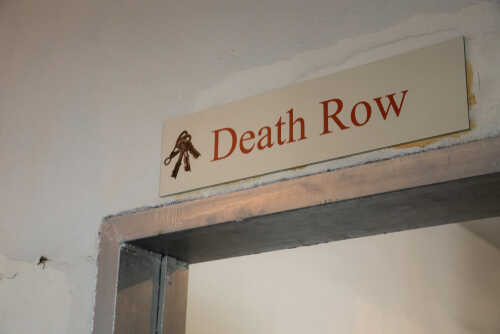
Naso, a former photographer, relished control. In 2013 he insisted on defending himself in court, lecturing jurors while fighting for his life. That decision fascinated the public, but the outcome was grim. The jury convicted him on all counts, sending him to death row.
The case carried weight beyond the killings. Families of the victims endured decades of silence before a conviction brought closure. For many, justice came late, but it arrived.
Watch now: Death Row Confidential: Secrets of a Serial Killer
The Documentary and Its Ripples
In 2025, cameras rolled again. The documentary Death Row Confidential featured interviews where Naso boasted of 26 murders. He laid claim to two dozen lives beyond the proven four, leaving investigators chasing ghosts.
The confessions shook the public. Police cannot ignore them, even if credibility is thin. Detectives reopened old case files, combing through forgotten evidence in hopes of tracing victims to Naso’s trail.
The series raised hard questions. Why were so many of the women vulnerable, overlooked, or dismissed when first reported missing? Advocates for victims’ families demanded accountability from law enforcement agencies that failed to act sooner.
Law, Order, and the Fallout
Naso’s words echo beyond prison walls. The case spotlighted a system slow to protect marginalized women, many of whom vanished without serious inquiry. Critics argue these blind spots enabled predators like Naso.
California’s justice system faces its own reckoning. The case reignited debate over the death penalty, with some demanding his execution and others calling for abolition. Naso, frail but unrepentant, remains a symbol in the fight over capital punishment.
Economic pressure builds as well. Cold case work drains budgets, but public demand leaves no choice. Political leaders now weigh the costs of reform against the price of failure. The balance tilts between closure for families and systemic overhaul.
The Shadow That Lingers
Naso’s boasts stretch thin, but even unproven, they chill. Twenty-six lives claimed, four lives proven, and a lifetime of questions unanswered. Each confession sparks pain for families still waiting.
His crimes and claims carve a grim lesson into public memory. Serial killers thrive in the gaps—between marginalized victims and the law, between public apathy and police failure. The Alphabet Killer may be confined, but his shadow lingers.
Sources
6ABC News
CBS San Francisco
Wikipedia