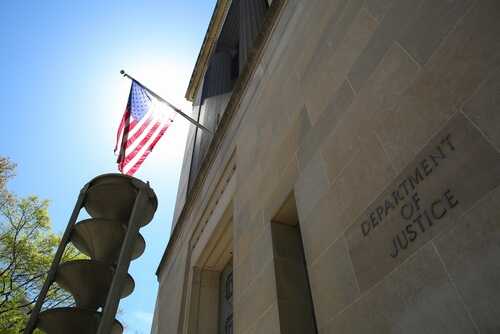
The Justice Department has unveiled the first federal pathway in three decades for Americans with old felony convictions to regain their firearm rights, transferring review authority from ATF to the Office of the Pardon Attorney.
At a Glance
- DOJ proposes rule to revive firearm rights restoration process defunded in 1992
- Authority shifts from ATF to Office of the Pardon Attorney under Ed Martin
- Supreme Court’s 2022 Bruen decision pressured DOJ to act
- 90-day public comment period runs through October 20, 2025
Historic Reversal of a Long Freeze
The Department of Justice formally published its proposed rule on July 18, 2025, reopening a federal process that had been closed since Congress defunded it in 1992. For more than thirty years, individuals with felony convictions—regardless of how old, minor, or nonviolent—had no legal avenue to seek restoration of their Second Amendment rights.
Under the original statute, 18 U.S.C. § 925(c), the Bureau of Alcohol, Tobacco, Firearms and Explosives reviewed petitions for rights restoration until funding was stripped. The result left millions permanently barred from firearm ownership, even if they had demonstrated rehabilitation or decades of lawful behavior. The DOJ’s revival of the program signals a major policy shift, aligning federal law with constitutional pressures that intensified following the Supreme Court’s Bruen ruling in 2022.
Watch now: FEDERAL GUN RIGHTS RESTORATION – UPDATE (by Munitions Law Group)
Constitutional Safeguards and Policy Innovation
Legal scholars argue that individualized restoration processes are necessary to prevent blanket bans from collapsing under judicial scrutiny. The Bruen decision established a new framework for evaluating firearm restrictions based on historical tradition, placing lifetime bans on nonviolent offenders in uncertain constitutional territory.
In response, the DOJ structured its proposal to balance public safety with constitutional compliance. The Office of the Pardon Attorney, now charged with overseeing applications, will conduct thorough case-by-case reviews. The department’s press release underscores its dual objective: provide a legitimate restoration pathway for law-abiding citizens while keeping firearms inaccessible to dangerous individuals and noncitizens prohibited under federal law.
The approach reflects growing recognition that permanent bans can unfairly penalize individuals who have reintegrated into society without posing risks. At the same time, DOJ insists that stringent review mechanisms will prevent abuses of the system.
A Rigorous Review Under New Authority
The Office of the Pardon Attorney, led by Ed Martin, will serve as the gatekeeper for the restored process. Applications will be evaluated on multiple factors, including the seriousness of the offense, length of time since conviction, evidence of rehabilitation, and the individual’s role in their community.
The FY 2026 federal budget allocates new funding to the office to handle the anticipated wave of petitions. Legal experts caution that navigating the process will require careful preparation, but advocacy groups view the move as a lifeline for millions of Americans who have long been barred from firearm ownership due to decades-old offenses.
This includes individuals with minor financial or drug convictions from the 1980s and 1990s who have since maintained clean records and contributed productively to society. For them, the DOJ’s action represents both legal relief and symbolic recognition of their rehabilitation.