

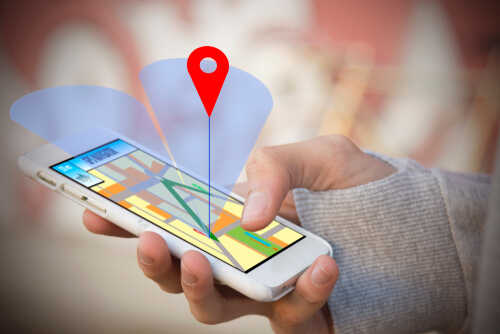
Smartphones continue to log location data even after users disable GPS, raising mounting concerns about transparency and accountability in the tech sector.
At a Glance
- Smartphones can track location through Wi-Fi, Bluetooth, and sensors even with GPS disabled
- Princeton’s PinMe app showed GPS-independent tracking using sensor data
- Apple and Google privacy settings reduce but do not eliminate logging
- Regulators in the U.S. and EU are reviewing smartphone tracking practices
- Privacy experts call for stricter controls and greater transparency from tech companies
Hidden Tracking: Beyond the GPS Icon
Modern smartphones act as constant location trackers, relying on more than just GPS to log user movements. Many users believe that turning off GPS ends tracking, but in practice, phones continue to collect data through Wi-Fi networks, Bluetooth signals, cellular towers, and onboard sensors. This reality exposes a significant gap between user expectations and actual privacy.
Watch now: The Truth About Smartphone Tracking · YouTube
Awareness of these hidden tracking mechanisms grew following research such as Princeton’s PinMe app, which demonstrated that a smartphone could be located with surprising accuracy using only accelerometer, magnetometer, and barometer data. Despite incremental updates to iOS and Android privacy controls, technical loopholes allow persistent background tracking. This has raised alarms among cybersecurity specialists who argue that meaningful user control remains elusive.
Privacy Risks and User Controls
Both Apple and Google have promoted new privacy features intended to reassure users. iPhone owners can clear “Significant Locations,” while Android users may reset “Location History.” However, these tools are limited. Some records, particularly those tied to Wi-Fi scans and Bluetooth beacons, may be stored in ways that are not visible or fully removable through system settings.
Cybersecurity experts such as Lukasz Olejnik note that these partial measures still leave individuals vulnerable to ongoing tracking. Independent researchers continue to uncover new tracking vectors, underscoring the difficulty of closing every loophole. While individual steps can reduce exposure, the persistence of hidden logs means users cannot achieve total control without systemic changes from manufacturers.
Implications for Privacy and Regulation
The ongoing discoveries of hidden tracking methods have intensified calls for accountability. Privacy advocates argue that companies benefit financially from location data through targeted advertising and analytics, creating a built-in disincentive to limit tracking practices. Analysts suggest that without regulatory intervention, these practices may continue largely unchecked.
Regulatory scrutiny is growing. In both the United States and the European Union, policymakers are considering legislation that could require greater transparency in how location data is stored and used. Experts such as Jennifer King of Stanford’s Institute for Human-Centered Artificial Intelligence highlight the likelihood of stronger privacy standards emerging, which could reshape the data-driven business models of smartphone manufacturers and app developers.
If such rules are implemented, they may force companies to disclose how non-GPS data contributes to location tracking and provide users with more comprehensive opt-out mechanisms. Until then, public pressure and ongoing research remain the primary forces pushing for change in how smartphones handle location privacy.
Sources
Princeton Engineering
Ask.com
FindMyKids.org
Cybernews