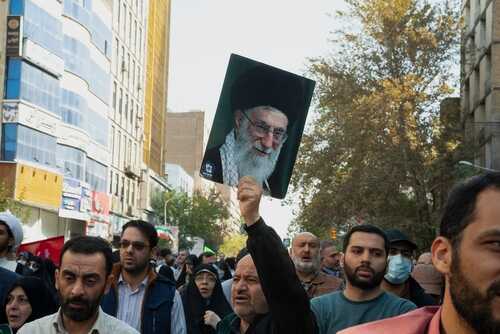
Ongoing public demonstrations in Iran, which official reports attribute to domestic economic contraction and inflation, are now under review by the United States government. As Iranian representatives provide testimony on enforcement measures to the UN Security Council, the US is considering a range of policy actions, including potential military intervention, which observers note carries significant implications for regional stability.
Key Findings
- Iranian representatives provided testimony at the UN Security Council regarding the government’s enforcement measures in response to the protests.
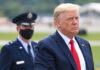
- President Trump issued a statement indicating a possible US military intervention.
- Protests were driven by reported economic contraction, including inflation and currency devaluation.
- The UN Security Council has convened to debate US-Iranian policy amidst international observation.
United States Policy Statement Follows Increased Enforcement
In a UN Security Council session, Iranian representatives provided accounts of the enforcement measures utilized by Tehran in response to the public demonstrations. The protests, which began in late December 2025, developed following a period of economic contraction, including increased inflation and food costs.
Following reports of the government’s response, President Trump issued a statement indicating that the US is prepared to consider a range of actions, including potential military intervention, to address the situation. Attributed statements from President Trump’s social media accounts have amplified the ongoing developments, with posts urging demonstrators to “take over institutions” and assuring them that “help is on the way.” This position is a notable policy shift from previous US administrations, which supported Iranian protesters rhetorically but did not include explicit mention of direct intervention. The international community is closely observing the developments, concerned about the potential for escalation.
The Iranian people have suffered decades of oppression under dictatorial rule.
That oppression is on full display in the regime’s violent crackdown on peaceful demonstrators.
I condemn this brutality and stand with the brave people of Iran as they rise up to demand a better… https://t.co/z08QzYv2mI
— Ami Bera, M.D. (@RepBera) January 13, 2026
Economic Factors and Internal Policy Debate in Iran
The demonstrations in Iran are primarily rooted in structural economic factors, reportedly exacerbated by losses sustained during the 2025 conflict with Israel. With reported damage to strategic nuclear sites and weakened military capabilities, the government is operating under immense pressure.
The government’s response to the unrest has evolved from initial conciliatory gestures to increased enforcement, characterized by a reported communications blackout and official reports of numerous arrests and casualties. Public demonstrations call for policy adjustments, including a review of state funding to foreign entities such as Hamas and Hezbollah. The government’s enforcement measures, combined with international scrutiny, have intensified internal and external calls for policy review.
International Reactions and Strategic Implications
The UN Security Council meeting has exposed deep international divisions on the matter. While the US, under President Trump, advocates for decisive action against Iran, other nations, including Russia and China, have defended Iran’s sovereignty and expressed caution regarding US policy actions. The testimonies provided at the UN have emphasized the reported need for concrete action beyond diplomatic rhetoric to address the alleged human rights violations in Iran.
As the situation remains fluid, with protests contained but tensions still high, the world is awaiting confirmation on the potential for military intervention. The prospect of such action carries significant risk but is viewed by some observers as a pathway to political change within the nation.
Watch the report: FULL SPEECH: Iranian Activists Alinejad Delivers Powerful UN Testimony on Iran’s Mass Killings |AC1N
Sources:
- ‘You Cannot Kill All the People,’ Iranian Dissident Says, Describing Tehran’s Crackdown to Security Council
- Congressional Research Service Report on US-Iran Relations
- Iran International Liveblog on Protests
- Institute for the Study of War Update on Iran