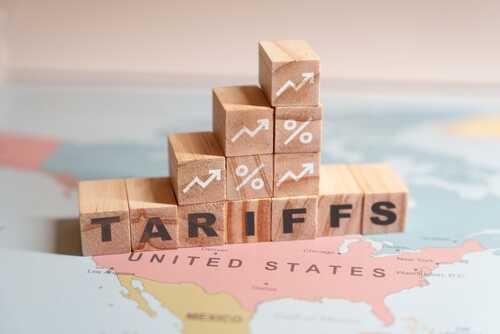
Daimler Truck North America President and CEO John O’Leary issued a stark warning on Bloomberg Surveillance: President Trump’s evolving tariff threats are paralyzing commercial vehicle buyers, triggering an industry-wide pause in orders.
At a Glance
- Daimler’s U.S. customers are holding back orders due to tariff uncertainty
- Trump’s proposed reciprocal tariffs have created a “wait-and-see” environment
- Daimler is operationally strong but revising expectations downward
- Broader supply chain and manufacturing decisions are also being delayed
Buyers On Ice as Tariff Clarity Evaporates
In a revealing Bloomberg Surveillance interview, O’Leary described how Daimler’s buyers—normally decisive on truck purchases—have essentially stopped signing contracts. He attributed the freeze directly to the ripple effects of tariff-related uncertainty, especially as Trump reintroduces the idea of sweeping “reciprocal” import taxes.
Watch a report: Uncertainty Has Frozen the Consumer, Says O’Leary
O’Leary noted that while Daimler’s factories and logistics systems remain healthy, “the customer is frozen” until clearer signals emerge from Washington. He emphasized that the standstill isn’t about pricing or production—it’s about confidence. Buyers across freight and industrial sectors are bracing for possible cost spikes, foreign retaliation, and fluctuating input costs.
Policy Paralysis Threatens Broader Industry
The implications reach far beyond Daimler. The trucking and logistics sectors are deeply interconnected with construction, agriculture, and retail distribution. A collapse in commercial truck orders could signal hesitation throughout the economy, stalling recovery momentum and exposing businesses to operational risks.
O’Leary’s statements add urgency to the debate over Trump’s trade strategy. While aiming to protect U.S. industries, the proposed tariffs appear to be creating what executives describe as a “self-imposed slowdown.” As manufacturers reevaluate procurement and capital investment timelines, the next few months could define how resilient—or vulnerable—the industrial economy really is.