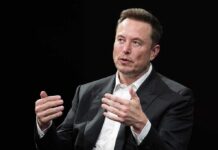

SpaceX and Louisiana leaders unveiled a $100 billion “Starbase, Louisiana” plan that promises thousands of Starship launches a year and a massive jobs surge for the Gulf Coast.
Story Highlights
- SpaceX announced “Starbase, Louisiana,” a 125,000-acre Starship launch site in Vermilion Parish.
- Officials cited a $100 billion investment with construction starting in 2027 and first launch in 2029.
- The complex will include fuel production, power, deep-water shipping, and an airport.
- Leaders say the site could support thousands of Starship flights per year.
SpaceX and Louisiana Confirm New Starship Hub
SpaceX and Louisiana officials announced a new Starship launch site named “Starbase, Louisiana” at an event in Abbeville on August 25, 2026. Governor Jeff Landry and SpaceX executives described a plan to build a large coastal complex in Vermilion Parish. The site spans roughly 125,000 acres of marshland, tying the project directly to heavy-lift rocket operations. Leaders framed the move as a major win for American manufacturing and Gulf Coast jobs under a pro-growth climate.
Published reports say the investment totals about $100 billion, with construction set to begin in 2027 and a first launch targeted for 2029. SpaceX positioned the facility to back up South Texas and increase Starship throughput. The company said the Louisiana complex is intended to support thousands of Starship flights per year once complete. Those numbers reflect the firm’s growth goals for cargo, crew, and satellite missions across national security and commercial markets.
Facility Design Aims for Self-Sufficiency and Scale
SpaceX described a self-sustaining spaceport that brings many functions on site. Plans include propellant production, power generation, deep-water shipping, vehicle processing facilities, and an airport. Consolidating these functions lowers transport time and cuts bottlenecks during busy launch cycles. A coastal location adds ship access for heavy hardware. If executed, this model can speed pad turnaround and enable a high launch rate, which the company argues is the key to lowering costs.
Officials said the project marks a strategic expansion beyond South Texas to diversify operations. A second Starship hub spreads risk, opens new logistics routes, and grows capacity for national defense and commercial needs. State leaders highlighted manufacturing, construction, and operations jobs. While some outlets repeat job totals in the thousands, independent workforce studies were not included in the reported materials, so detailed hiring forecasts are not yet public in these sources.
Timelines, Oversight, and What Comes Next
The reported schedule sets 2027 for construction start and as early as 2029 for the first launch. That gives several years for site build-out, supply-chain setup, and range infrastructure. Federal approvals will still govern launch licensing. Past spaceport reviews in Texas involved extensive environmental steps by the Federal Aviation Administration (FAA). Louisiana’s process will also run through federal law and agency review before high-cadence operations can begin.
SpaceX @elonmusk just committed $100 billion to build the world’s largest spaceport in Louisiana.
They won this with something called Louisiana Lightning Speed, an executive order that forces every state agency to clear permitting, environmental, and infrastructure issues before…
— USA First Lab (@usafirstlab) August 26, 2026
Local and national attention will track two big claims: the $100 billion spend and “thousands” of launches per year. Media reported both from the event and company statements, but they did not provide a financing breakdown or a capacity study in the cited materials. Even so, the growth logic is clear: more pads, faster turnaround, and integrated logistics aim to scale flights and cut costs. For conservative readers, this is industrial policy done right: build, hire, and lead in space.
Economic Stakes for Gulf Communities and the Nation
Gulf Coast workers stand to benefit from construction trades, fabrication, and long-term operations if targets hold. Deep-water access taps local maritime strength, while energy know-how supports propellant and power systems. State leaders called the deal a landmark for Louisiana. For Washington, more launch capacity supports national security payloads, communications, and disaster-response tools, while pushing private industry to innovate faster under President Trump’s focus on American jobs and strategic strength.
Sources:
washingtontimes.com, shreveporttimes.com, finance.yahoo.com, nytimes.com