

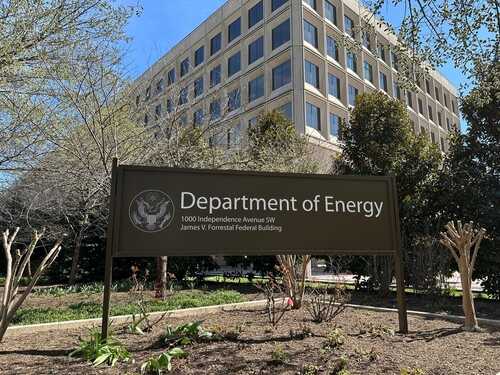
The U.S. Department of Energy has issued a grave warning: by 2030, Americans could face up to 800 hours of blackouts each year if firm power generation isn’t urgently expanded—fueling concerns that Trump-era energy rollbacks are pushing the grid to the brink.
At a Glance
- DOE predicts blackout risks may surge 100-fold by 2030 if grid capacity isn’t stabilized
- 104 GW of firm power is set to retire, while only 22 GW is scheduled for replacement
- AI-driven electricity demand is surging, especially from data centers
- DOE Secretary warns current trajectory is “unstable and dangerous”
- Trump has rolled back green energy subsidies, worsening investment delays
DOE Rings Alarm Over Looming Power Deficit
In a newly released report, the U.S. Department of Energy projects severe reliability shortfalls unless new firm energy sources—like natural gas, nuclear, or hydro—are rapidly deployed. The report warns of a potential 800 hours of blackouts per year, compared to just a few hours in previous decades.
Watch a report: Prepare For Power Outages In Summer 2025
The deficit stems from the planned retirement of 104 gigawatts of coal and gas plants, with only 22 gigawatts of firm capacity expected to be added by 2030. Meanwhile, electricity demand is ballooning—driven by AI systems, electric vehicles, and expanding data centers. As Reuters reports, the DOE’s model projects a 100-fold increase in blackout hours if grid reinforcements lag behind.
Policy Shifts Spur Industry Concern
Much of the blame falls on shifting federal priorities. As Investor’s Business Daily notes, Trump’s rollback of renewable energy subsidies has slowed clean-energy buildouts while creating uncertainty for grid planning.
DOE Secretary Chris Wright declared that America is on an “unstable and dangerous” path—especially given that most new generation being added is intermittent. He called for urgent deployment of dispatchable resources that can ensure 24/7 power. The growing strain is already being felt in states like Texas and California, where peak demand now regularly challenges capacity.
Industry leaders have echoed these concerns, pointing out that U.S. manufacturing and AI innovation will be stifled unless the grid keeps pace. Without decisive action, the 2030s may be defined not by digital transformation—but by darkness.