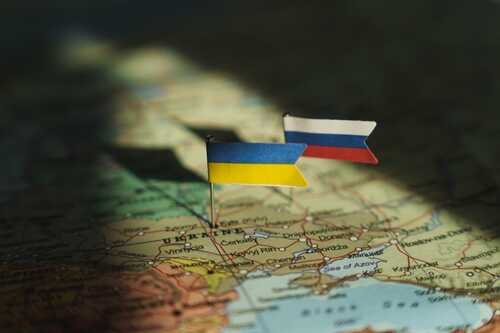
The conflict between Russia and Ukraine has entered a new and dangerous phase as both nations escalate their use of devastating long-range attacks. Ukraine’s recent deadly drone strike deep inside Russian territory, coupled with a massive retaliatory barrage from Moscow, signals an intensifying arms race and a growing threat that the conflict could spiral beyond current boundaries. This cycle of tit-for-tat strikes, bringing the war’s consequences directly to civilian populations, fundamentally changes the dynamics on the ground.
Story Highlights
- Ukrainian drone debris killed one young woman and injured three others in Voronezh, Russia, 250 kilometers from the border.
- Attack followed massive Russian barrage using 242 drones and 36 missiles, including hypersonic Oreshnik weapon against Ukraine.
- Russia deployed new Geran-5 jet-powered drones with 1,000-kilometer range and 90-kilogram warheads for first time.
- Both sides escalating long-range strikes against civilian infrastructure as conflict enters dangerous new phase.
Ukrainian Drones Strike Deep Into Russian Territory
Ukrainian forces launched a devastating drone attack against Voronezh, a major Russian city home to over one million people located 250 kilometers from the Ukrainian border. Governor Alexander Gusev reported that falling debris from a downed Ukrainian drone struck a residential house, killing a young woman who died in intensive care and injuring three other civilians. The attack damaged more than 10 apartment buildings, private houses, and a high school, demonstrating Ukraine’s expanding capability to project force deep into Russian territory.
Russian air defenses reportedly shot down 17 Ukrainian drones over the Voronezh region during the Saturday night assault. This represents a significant escalation in Ukraine’s long-range strike campaign, bringing the war’s consequences directly to Russian civilians living far from the border regions. The strike proves that major Russian population centers are now within range of Ukrainian drone operations, fundamentally changing the dynamics of this conflict.
Russia Unleashes Massive Retaliation With Advanced Weapons
The Ukrainian strike on Voronezh came immediately after Russia conducted one of its largest coordinated attacks on Ukraine, launching 242 drones and 36 missiles in a devastating overnight barrage. Russian forces deployed the hypersonic Oreshnik intermediate-range ballistic missile against Lviv Oblast in western Ukraine, marking a significant escalation in the types of advanced weaponry being used. The massive assault killed at least four people in Kyiv and caused widespread power outages across Ukraine’s capital region.
Russia’s Defense Ministry stated its forces targeted Ukrainian energy facilities and fuel depots using aviation, drones, missiles, and artillery during this coordinated campaign. The attacks caused severe disruptions to power and water services, fitting Russia’s strategy of weaponizing winter by depriving Ukrainian civilians of essential utilities. This represents a clear pattern of targeting civilian infrastructure to break Ukrainian morale and strain the country’s economy.
Dangerous Arms Race Emerges With New Drone Technology
Ukrainian military intelligence revealed that Russia deployed its new Geran-5 jet-powered strike drone for the first time this month, carrying a 90-kilogram warhead with an approximate 1,000-kilometer range. This technological advancement significantly expands Russia’s ability to strike targets throughout Ukraine while reducing reliance on more expensive missile systems. The development represents a concerning escalation in the drone arms race between the two nations.
Both sides continue maintaining ongoing long-range strike campaigns, with Russia emphasizing attacks on energy infrastructure while Ukraine focuses on oil depots, refineries, and military facilities inside Russian territory. Ukraine has systematically developed indigenous long-range drone capabilities to compensate for limited ballistic missile inventories, allowing asymmetric strikes hundreds of kilometers into Russia. This technological competition threatens to spread beyond the immediate conflict zone and influence regional security dynamics.
The escalating tit-for-tat cycle raises serious concerns about accidental escalation and the potential for this conflict to spiral beyond current boundaries. Ukrainian President Volodymyr Zelensky indicated that negotiations continue with American partners regarding future security guarantees, but the intensifying drone warfare suggests both sides are preparing for prolonged conflict rather than immediate diplomatic resolution.
Watch the report: LIVE | Ukrainian Drone Attack Kills 1 in Russia After Moscow’s Heavy Bombardment
Sources:
- Ukrainian drone attack in Russia kills 1 following Moscow’s intense bombardment
- Drone attack on Voronezh in Russia kills 1 person and wounds 3
- Ukrainian drone strike kills one, injures three in Russian city of Voronezh
- Ukraine ticker Kiev accuses Kremlin of targeted terror against population +++ Drones attack oil facilities