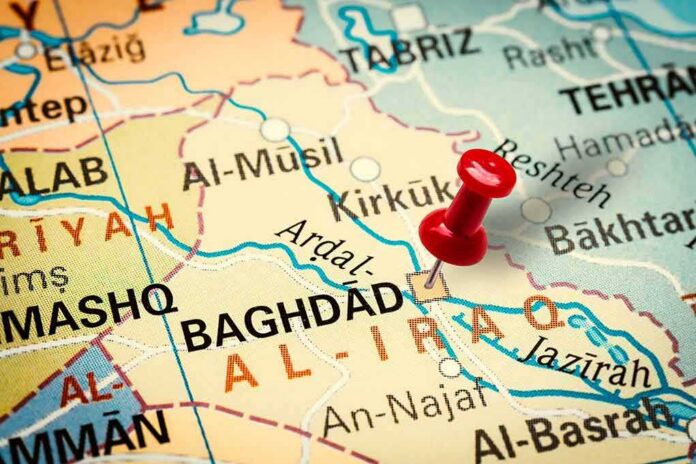
Baghdad crowds waved flags and cheered as the Pentagon confirmed the last U.S. troops departed Iraq, closing a two-decade chapter and shifting the region’s balance overnight.
Story Highlights
- Pentagon said U.S. forces completed an “orderly departure” from Erbil Air Base.
- Rallies in Baghdad marked the withdrawal as a high-profile public event.
- The 2021 end of combat roles set the path; 2026 finished the exit.
- Analysts warn Iran-linked groups may try to gain ground after the pullout.
Pentagon Confirms Final Flights and Base Departure
Pentagon officials said U.S. forces and equipment completed an “orderly departure” from Erbil Air Base, marking the final exit from Iraq. Reports earlier set expectations that the pullout would be complete by September 30, and the timeline held. News outlets in the United Kingdom and the United States also reported that the last American and British troops left as the mission wound down this week. Public scenes in Baghdad reflected the close of a long military era.
Defense reporters noted that this closure came after years of transition since the fight against the Islamic State ended major combat. The United States had already reduced its footprint to a smaller advisory presence. The Pentagon’s statement on Erbil capped the final handover and exit. The rally in Baghdad followed the formal departure, underlining how visible the change was on the ground. The coverage centered on the smooth exit and the end of the coalition’s presence.
How 2021’s Shift Led to 2026’s Exit
In December 2021, the U.S.-led coalition ended its combat mission in Iraq and moved remaining troops into training and advising roles. That step followed a July 2021 agreement between Washington and Baghdad to conclude combat operations by year’s end. The number of U.S. troops stayed around 2,500 as their mission shifted. The new milestone is different: it completes the physical withdrawal from remaining bases and closes out the on-the-ground military presence.
Associated Press reporting this summer said officials expected the pullout to be complete by September 30. That schedule aligned with what just happened. The public now sees the final chapter, not the earlier transition. This distinction matters. Ending combat is one stage. Leaving the country is another. The Baghdad rally celebrated the second stage. The Pentagon’s language on an “orderly departure” aimed to show discipline, safety, and control in the last steps of departure.
Security Stakes: Iran-Backed Groups, ISIS Remnants, and Kurds
Reuters reported that the withdrawal could embolden Iran-linked militias and other hostile actors who see an opening with the West’s forces gone. Those groups may try to shape state policy and expand reach. Analysts also flagged risks from Islamic State remnants, even if they no longer hold land. The Kurdish region has voiced concern about security without U.S. troops nearby. The key test now is whether Iraqi forces sustain pressure on extremists without American boots on the ground.
Last UK and US troops have left Iraq as the anti-Islamic State coalition mission formally ends. The withdrawal follows a deal agreed two years ago and was a long-standing demand of the Iraqi government.
The move marks the close of a coalition presence that began during the fight… pic.twitter.com/9lbTMLJSgD
— MarketsPulse (@MarketsPulse24H) October 2, 2026
For American readers, this moment blends relief and resolve. The mission against the Islamic State removed the “caliphate.” The final exit reduces exposure, cost, and risk to U.S. troops. It also demands firm policy to deter Iran’s proxies, protect partners, and keep terror networks from regrouping. Clear red lines, targeted intelligence sharing, and rapid-response options can backstop the exit. Those tools support peace through strength, even when the flag no longer flies over a base.
What Comes Next for U.S. Policy
Washington now shifts to over-the-horizon strategy and stronger diplomacy. The United States can support Iraq’s forces with training outside the country, advise through defense ties, and coordinate strikes on high-value terror targets when needed. This approach limits long ground wars while keeping enemies off balance. The administration will face quick tests if militias fire rockets, threaten shipping, or target U.S. diplomats. Strong, swift consequences can keep pressure where it belongs.
At home, families want focus on border security, energy costs, and inflation. A leaner footprint abroad helps. It saves money, lowers risk, and lets our troops train for near-peer threats. It also avoids endless missions with fuzzy goals. The job in Iraq is not forgotten; it is finished for now. If terror resurges or militias cross red lines, America can act with precision and leave again just as fast. That is smart power rooted in strength.
Why the Baghdad Rally Matters
The rally showed how local politics will frame the next phase. Some in Iraq celebrate the exit as full sovereignty. Others worry about security gaps and rising militia sway. These mixed reactions were visible the same day as the last flights. For the United States, the message is simple: mission success does not require permanent presence. It requires readiness, clear interests, and the will to respond when those interests are threatened.
Sources:
npr.org, slovaknews.com, reuters.com, newscord.org, hoover.org, reference.org