

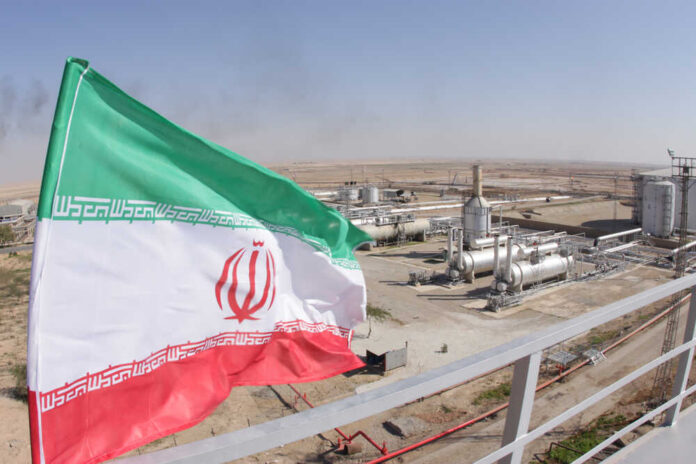
A single phrase—President Trump demanding Iran’s “unconditional surrender”—was enough to jolt oil markets into a double-digit surge that could quickly hit American families at the gas pump.
Quick Take
- WTI crude jumped more than 10% after Trump publicly insisted the Iran war ends only with “unconditional surrender.”
- Trading reaction wasn’t just about headlines; it reflected fears the Strait of Hormuz disruption could last longer and worsen.
- Reports cited 7–11 million barrels per day of crude and 4–5 million barrels per day of refined products effectively constrained by the shipping squeeze.
- The administration says it’s working on mitigation steps, but specific tools—like a Strategic Petroleum Reserve release—have not been detailed publicly.
Trump’s “Unconditional Surrender” Demand Reprices War Risk
President Donald Trump’s public demand that Iran surrender unconditionally landed like a market signal, not just a political statement. With the U.S.-Israel war already driving risk premiums, traders treated the message as evidence the conflict could be longer and more destructive than previously priced. In the hours after the demand, West Texas Intermediate surged sharply, while Brent pushed above the mid-$80s, reviving talk of $100 oil.
Energy markets often move on expectations, and the expectation implied by “unconditional surrender” is that a negotiated off-ramp is not imminent. That matters because the war is centered on the world’s most critical oil chokepoint. With the Strait of Hormuz under threat and commercial shipping facing elevated danger, price spikes can arrive before any refinery or oilfield damage occurs—purely from fear, insurance costs, and interrupted transit.
The Strait of Hormuz Bottleneck Is the Real Pressure Point
The Strait of Hormuz routinely carries roughly one-fifth of global crude exports, so even partial disruption can ripple worldwide. Early March reporting described crude vessel traffic as nearly halted, alongside warnings that ships attempting transit could be targeted. Coverage of the supply picture cited estimates that millions of barrels per day of crude and refined products were effectively offline or trapped because tankers could not safely pass.
Those volumes are large enough to break the normal “spare capacity fixes everything” storyline. Some Gulf producers cannot simply keep pumping if they cannot export. One report highlighted Kuwait running out of storage and weighing output cuts to match domestic needs. That kind of forced shut-in tightens supply further and signals to traders that the problem is physical logistics, not just temporary anxiety on a trading screen.
Timeline: Why Prices Moved Fast, Then Moved Again
Before the major strikes, crude was already climbing on regional tension, with Brent in the low-to-mid $70s and WTI in the high $60s. After weekend attacks and retaliatory barrages, the first full trading session reflected the new reality: both Brent and WTI jumped strongly as markets priced a war and growing Hormuz risk. Trump then projected the conflict could run four to five weeks, adding duration risk.
The second leg higher followed the administration’s messaging about end goals. Markets can absorb “weeks,” but they react differently to language that suggests no compromise and no quick settlement. When traders believe the exit ramp is removed, they start pricing worst-case disruption—especially around shipping. That is why the surge tied to Trump’s “unconditional surrender” demand became a fresh catalyst rather than old news layered on top of an existing war premium.
Inflation Fears Return as Gasoline Sensitivity Collides With War Reality
For American households, the concern is simple: higher crude usually flows into higher gasoline and diesel, which then spreads into shipping, food, and services. Analysts immediately raised the prospect that $100 crude could ignite another inflation shock, a politically sensitive issue after years when voters were squeezed by high prices and Washington-style spending habits. Trump has acknowledged the oil spike but argues prices will fall—possibly below pre-war levels—after the conflict ends.
The administration is also signaling it understands the economic stakes. Secretary of State Marco Rubio said a mitigation program is being developed with Energy Secretary Chris Wright and Treasury Secretary Scott Bessent. However, public details remain limited, and reporting noted the Energy Department declined to comment on specific options such as drawing down the Strategic Petroleum Reserve. Until a clearer plan is visible, markets will keep focusing on shipping risk and war duration.
In practical terms, this episode shows how geopolitics can override domestic policy wins in a hurry. Even a pro-energy administration can’t fully insulate U.S. consumers when a global chokepoint is threatened and traders believe the conflict’s end state is open-ended. If Hormuz traffic remains impaired, the pressure will build on policymakers to defend supply routes, stabilize prices, and avoid letting foreign actors effectively tax American families through energy costs.
Sources:
Trump acknowledges spike in oil prices from Iran war, promises prices are going to drop
Trump says war with Iran to last four to five weeks as oil market weighs impacts