A Democratic congresswoman’s staffer allegedly impersonated an attorney at least 11 times to breach ICE detention security protocols and smuggle contraband cellphones to detainees, raising serious questions about congressional oversight abuse and facility security.
Story Highlights
- DHS released sign-in logs showing Benito Torres falsely identified as “lawyer” during 11 visits to ICE facility from September 2025 to January 2026
- Torres smuggled cellphones to detainees at Fort Bliss Camp East Montana facility, violating strict security protocols designed to prevent coordination of illegal activities
- Rep. Veronica Escobar defended her staffer as a “dedicated public servant” despite DHS evidence, refusing to cooperate with agency inquiries
- ICE banned Torres from all detention facilities following January 30 confrontation where he admitted he was not an attorney
Federal Evidence Details Repeated Deception
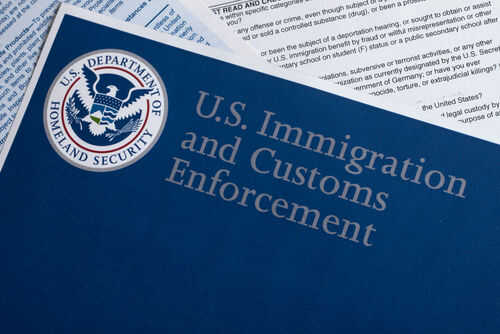
The Department of Homeland Security on April 2, 2026, released documented evidence proving Benito Torres, senior caseworker for Rep. Veronica Escobar, signed facility logs as a “lawyer” visiting “clients” during at least 11 separate occasions. The sign-in records and electronic device authorization forms span from September 2025 through January 2026 at the Camp East Montana ICE detention center at Fort Bliss in El Paso, Texas. ICE facilities maintain strict attorney-client access protocols that Torres exploited to bypass standard congressional oversight procedures. Acting ICE Director Todd Lyons described the violations as attempts to “undermine ICE’s statutory mission” through deliberate misrepresentation.
Cellphone Smuggling Violates Critical Security Standards
On January 30, 2026, facility staff confronted Torres after observing him pass cellphones to multiple detainees during what he claimed was a legal consultation. ICE detention centers prohibit unauthorized cellphones because they enable detainees to coordinate illegal activities, communicate with criminal networks, or arrange escape attempts. When questioned, Torres admitted he was not an attorney, contradicting documentation he had submitted claiming legal professional status. The incident prompted immediate facility access revocation for Torres. DHS characterized the phone smuggling as a “dangerous violation” that compromised facility security and endangered both staff and the broader mission of immigration enforcement in the El Paso border region.
Congresswoman Defends Staffer Despite Agency Evidence
Rep. Escobar publicly defended Torres as a dedicated Army veteran and public servant, dismissing DHS allegations as “unfounded” accusations. Her office represents El Paso, a major border crossing point where immigration enforcement remains contentious. Acting Director Lyons sent a formal letter to Escobar in March 2026 detailing the allegations and requesting answers about Torres’s conduct and her office’s knowledge of his activities. According to DHS statements, Escobar refused to respond to agency inquiries or address the documented evidence. The agency accused the congresswoman of “gaslighting” rather than holding her employee accountable. This marks the second recent case of Democratic congressional staffers misrepresenting credentials at immigration facilities, following Senator Tammy Duckworth’s November 2025 firing of staffer Edward York for similar attorney impersonation.
Pattern Raises Concerns About Oversight Integrity
The repeated nature of Torres’s alleged deceptions—spanning five months and multiple facility visits—suggests systematic abuse of congressional access privileges rather than isolated misjudgment. Congressional staff members possess legitimate oversight authority to visit detention facilities, but they must follow established protocols that distinguish them from legal representatives who have specific attorney-client privileges. Torres allegedly exploited this distinction to gain unauthorized detainee access on at least 11 documented occasions, including a January 23, 2026 request to see 22 detainees simultaneously. The case exposes vulnerabilities in facility security procedures and congressional staff vetting processes that could enable future breaches if left unaddressed.
Security Implications Extend Beyond Single Incident
DHS officials emphasize that allowing unauthorized communications devices into detention facilities creates risks beyond individual facility operations. Detainees with cellphone access can potentially coordinate with human smuggling networks, arrange document fraud, or communicate with associates still engaged in illegal border crossings. The Fort Bliss facility houses migrants awaiting deportation proceedings, making communication security particularly critical. Immigration enforcement advocates note that congressional staff undermining detention protocols sends signals that encourage further illegal immigration by suggesting lax interior enforcement. Torres remains banned from ICE facilities nationwide as of April 2026, though no criminal charges have been publicly announced. The incident may prompt DHS to implement stricter verification requirements for all congressional staff seeking facility access, potentially affecting legitimate oversight functions.
Sources:
DHS releases new evidence in case of Dem staffer accused of impersonating ICE attorney – Fox News
DHS alleges Dem staffer impersonated ICE attorney to access detainees – National Today
Texas Democrat’s aide accused of posing as attorney to gain access to ICE facility – Fox 4 News