

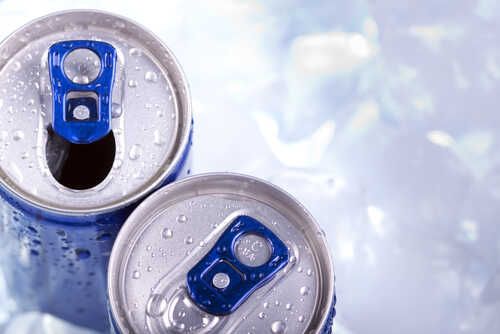
A surprising new medical case is raising hard questions about energy drink dangers and years of regulatory neglect that put ordinary Americans at risk. A man in his 50s suffered a severe stroke after drinking around eight energy drinks a day for years, leading to blood pressure so high it stunned doctors. This case highlights how chronic, excessive caffeine intake can quietly damage the heart and brain, prompting doctors to warn about the severe risks, especially for younger people.
Story Highlights
- A middle‑aged man suffered a stroke after drinking about eight energy drinks a day for years, with blood pressure so high it stunned doctors.
- His blood pressure normalized only after he quit energy drinks entirely, highlighting how hidden caffeine overload can quietly damage the heart and brain.
- Doctors now warn that extreme energy drink habits may contribute to strokes, heart problems, and long‑term disability, especially in younger people.
- Years of light‑touch regulation and aggressive marketing to students, gamers, and athletes left families largely on their own to spot the danger.
Stroke Case That Exposed a Hidden Everyday Threat
A man in his 50s, described as otherwise fit, showed up at the hospital with a stroke and blood pressure measuring a staggering 254 over 150, far beyond what most of us ever see on a home cuff. Doctors dug into his daily routine and discovered he had been consuming around eight energy drinks every single day for years, piling up roughly 1,200 milligrams of caffeine, about triple the usual recommended adult maximum intake.
Clinicians documented the case in a peer‑reviewed medical journal, concluding that his highly potent energy drink habit was likely a key driver of his severe hypertension and, ultimately, his stroke. After he completely stopped drinking energy drinks, his blood pressure gradually returned to normal, and he no longer needed blood pressure medication, yet he was left with lasting numbness on the left side of his body nearly eight years after the original event.
Man shocks doctors with extreme blood pressure, stroke from energy drinks https://t.co/6fcp6rUG4Z
— Ars Technica (@arstechnica) December 12, 2025
Energy Drink Culture, Youth Marketing, and Regulatory Gaps
Energy drinks exploded in popularity over the past two decades, marketed as quick fixes for alertness, stamina, and performance, especially to teenagers, college students, athletes, gamers, and shift workers. These drinks typically combine caffeine, sugar, and other stimulants such as taurine and guarana, yet labels are often confusing, and serving sizes rarely match how people actually consume them. Research shows the United States sits at the top of global per‑person energy drink consumption, with the United Kingdom not far behind.
Studies of university and medical students show energy drink use is common during exam periods, late‑night study sessions, and sports, where the drinks are treated almost like harmless fuel rather than powerful stimulants. Surveys link heavy energy drink use to headaches, heart palpitations, rapid heart rate, insomnia, tremors, frequent urination, and digestive troubles, warning signs many people dismiss as “stress” or “not enough sleep.” Among adolescents, regular use has also been associated with poorer sleep and a higher likelihood of depressive symptoms.
How Excessive Caffeine Strains the Heart and Brain
Doctors explain that caffeine works by stimulating the central nervous system, reducing the feeling of fatigue and helping people push through long days, but at high doses it also raises blood pressure and heart rate. When that stimulation happens day after day, year after year, blood vessels and the heart face constant strain, which can contribute to hypertension, arrhythmias, and, in rare but devastating cases, events like strokes or heart attacks, particularly in people who already have underlying risks they may not know about.
Clinical reports over the years have tied extreme energy drink intake to episodes of tachycardia, hypertensive crises, and neurovascular events, placing this man’s stroke squarely within an emerging pattern rather than as an isolated fluke. Large observational studies and reviews now warn that energy drink ingredients, especially when combined with sugar, may contribute to long‑term problems such as type 2 diabetes, obesity, anxiety, insomnia, and broader cardiovascular disease. Doctors emphasize that while moderate caffeine can be safe for many adults, chronic extreme intake is a different story entirely.
Who Profits, Who Pays, and What Families Can Do Now
Energy drink manufacturers, including major global brands, have built a multi‑billion‑dollar industry on aggressive marketing to young, stressed, and sleep‑deprived consumers, from high school students to gamers pulling all‑nighters. Public health researchers point out that this marketing often overlaps with other risky behaviors, including smoking, binge drinking, mixing energy drinks with alcohol, and substance use, multiplying the strain on hearts, minds, and already stretched healthcare systems. At the same time, regulators in many countries have moved slowly, debating age limits and warning labels while shelves stay fully stocked.
Doctors who handled the Nottingham‑area stroke case are now urging colleagues to routinely ask about energy drink use when patients present with unexplained high blood pressure, abnormal heart rhythms, or stroke‑like symptoms. For families, the message is straightforward: read labels carefully, keep track of total caffeine intake from all sources, be skeptical of marketing that targets kids and young adults, and treat energy drinks as powerful stimulants, not casual sodas. For this one man, quitting the habit likely saved his blood pressure, but not before a stroke permanently changed his life.
Watch the report: Healthy Man Suffers Stroke from Energy Drinks: Dangers Revealed
Sources:
- Major energy drink warning after man suffers stroke from daily habit
- A healthy man suffers a stroke and permanent damage after consuming numerous energy drinks | CNN
- Consuming lots of energy drinks may raise heart disease and stroke risk, say doctors | Health | The Guardian