
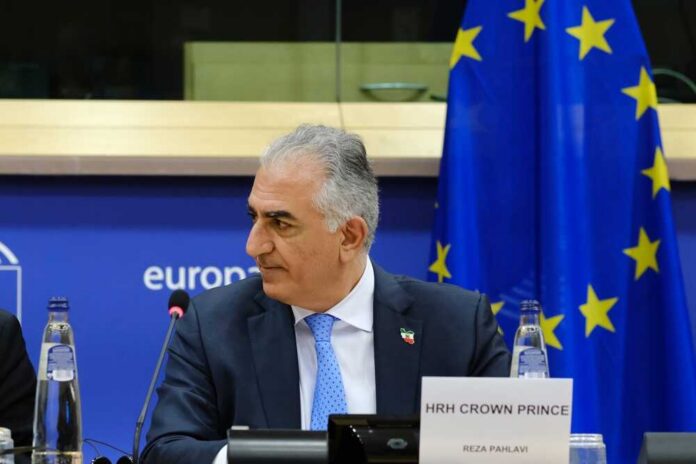
Exiled Iranian Crown Prince Reza Pahlavi has declared the Islamic Republic “erased” following Supreme Leader Ali Khamenei’s death in US-Israeli strikes, unveiling a democratic transition plan that could reshape the Middle East and end decades of theocratic tyranny.
Story Snapshot
- Pahlavi declares Islamic Republic finished after Khamenei killed in Trump-authorized strikes on Iranian military sites
- “Iran Prosperity Project” proposes referendum-based constitution and supervised elections to transition Iran to democracy
- Exiled prince calls for security forces to defect and citizens to protest, promising exit strategy for regime elements without blood on hands
- Plan includes ending nuclear program, halting terror sponsorship, and normalizing relations with Israel through “Cyrus Accords”
- Trump praises strikes but expresses doubts about Pahlavi’s viability as successor, calling situation an “interesting time”
Khamenei’s Death Sparks Democratic Transition Plan
Reza Pahlavi, son of Iran’s last Shah overthrown in 1979, responded to Supreme Leader Ali Khamenei’s death by declaring the Islamic Republic consigned to history’s dustbin. The 66-year-old opposition leader unveiled his “Iran Prosperity Project” following early Saturday strikes by US and Israeli forces that targeted Iranian military and nuclear sites near Khamenei’s office. Pahlavi urged Iranian security forces to abandon the crumbling regime and called on citizens to take to the streets, warning that any attempts to appoint a successor would fail without legitimacy.
President Trump authorized the strikes that eliminated Khamenei, earning praise from Pahlavi who characterized the action as enabling Iranian liberation. The crown prince emphasized that victory belongs to the Iranian people, not foreign powers, positioning himself as a coordinator rather than an imposed leader. In his Washington Post op-ed and social media statements, Pahlavi detailed a vision for Iran that abandons nuclear ambitions, ends support for terrorism, and normalizes relations with the United States and Israel. This represents a complete reversal of the Islamic Republic’s four-decade policy of hostility toward Western values and regional stability.
Roadmap Promises Referendum and Constitutional Reform
The Iran Prosperity Project outlines specific steps toward democratic governance, beginning with a national referendum allowing Iranians to draft a new constitution free from theocratic control. Pahlavi proposes internationally supervised elections and a transition period focused on releasing frozen assets, lifting sanctions, and restoring economic prosperity to a nation devastated by decades of mismanagement and corruption. The plan calls for unity among diverse opposition groups including monarchists, republicans, liberals, and ethnic minorities around principles of integrity, individual liberties, secularism, and self-determination—core conservative values that Americans understand and support.
In his March 3, 2026 interview with 60 Minutes, Pahlavi committed to respecting whatever government structure the Iranian people choose through free elections, explicitly rejecting any claim to power through bloodshed. He emphasized that over 30,000 protesters have been massacred by the regime, which relied on importing 5,000 foreign fighters from Afghanistan, Iraq, and Lebanon after Iranian security forces refused to fire on their own citizens. This failure to maintain domestic support reveals the regime’s fundamental weakness. Pahlavi offers an exit strategy for regime elements without blood on their hands, contrasting his approach with the violence that characterized the 1979 revolution and subsequent decades of repression.
Cyrus Accords Could Transform Regional Security
Pahlavi’s “Cyrus Accords” propose recognition of Israel and comprehensive regional peace agreements that would position Iran as a stabilizing force against radicalism, drug trafficking, and transnational crime. The plan promises to end Iran’s sponsorship of terrorist proxies throughout the Middle East, halt nuclear weapons development, and establish Iran as a responsible regional partner. For Americans concerned about Middle Eastern threats to homeland security, this represents a dramatic shift from the Islamic Republic’s decades-long policy of exporting revolution and supporting groups dedicated to America’s destruction. The proposal aligns with conservative principles of peace through strength and regional stability based on shared interests rather than ideological extremism.
Trump expressed cautious optimism about Iran’s future while questioning Pahlavi’s ultimate reception among Iranians, telling Reuters the crown prince is “very nice” but noting uncertainty about whether the Iranian people will embrace his leadership. The president has no planned meeting with Pahlavi and offered no guarantees about regime collapse, stating only that “any regime can fail” during these interesting times. This measured response reflects conservative realism about foreign entanglements while supporting Iranian freedom. The coming days will reveal whether Iranian citizens seize this opportunity for self-governance or whether regime remnants can maintain control through fear and foreign mercenaries. What’s clear is that Trump’s decisive action created conditions for change that decades of diplomatic engagement failed to achieve.
Sources:
Exiled Iranian prince unveils vision for a democratic, pro-peace Iran