
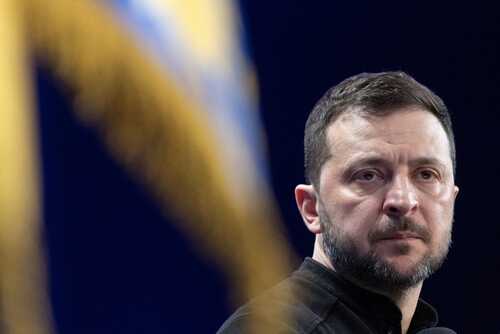
The latest diplomatic push to end the Russian invasion of Ukraine has yielded a new US-led draft peace plan, which President Volodymyr Zelensky revealed on December 24, 2025. While Ukraine successfully secured meaningful concessions in the revised terms, the plan’s future is shadowed by critical uncertainties, primarily over the complex issues of territorial control and whether Moscow will ultimately accept the terms.
Story Snapshot
- Ukraine gains concessions in latest US-led peace plan draft
- President Zelensky publicly reveals details of diplomatic negotiations
- Major uncertainties remain over territorial disputes and Russian compliance
- Plan’s viability depends on Moscow’s willingness to accept revised terms
Ukraine Secures Diplomatic Gains in Peace Negotiations
Ukraine achieved meaningful concessions in the most recent version of a United States-led peace plan designed to end the Russian invasion. President Volodymyr Zelensky disclosed these developments on December 24, 2025, marking a significant shift in diplomatic momentum. The revised draft represents months of behind-the-scenes negotiations between American officials and Ukrainian leadership, with Ukraine successfully advocating for terms more favorable to its national interests and sovereignty concerns.
Ukrainian President Volodymyr Zelensky insists any Russia-Ukraine peace deal must pass a national referendum after a 60-day ceasefire. As US-led diplomacy intensifies, unresolved issues like Donbas and Zaporizhzhia continue to stall a final agreement.#UkraineWar #Zelensky… pic.twitter.com/Rbr0gp0jN8
— The Daily Jagran (@TheDailyJagran) December 29, 2025
Critical Uncertainties Threaten Plan Implementation
Despite Ukraine’s diplomatic victories, substantial questions remain regarding the plan’s practical implementation. Territorial control issues present the most significant obstacle, as previous negotiations have repeatedly stalled over disputes about occupied regions and border demarcation. The complexity of these territorial questions reflects deeper disagreements about Ukraine’s sovereignty and Russia’s territorial ambitions, making any comprehensive resolution exceptionally challenging for negotiators.
Russian Acceptance Remains a Major Unknown Factor
The plan’s ultimate success hinges entirely on Moscow’s willingness to accept the newly revised terms, which remains highly uncertain. Russia’s previous negotiating positions have consistently demanded territorial concessions that Ukraine and its Western allies have rejected outright. The revised draft’s focus on Ukrainian interests may make Russian acceptance even more unlikely, potentially prolonging the conflict despite diplomatic progress. American leadership faces the difficult task of balancing Ukrainian sovereignty with realistic expectations for Russian cooperation in any sustainable peace framework.
Watch the report: Zelensky Agrees To Make Concessions For Peace | WION Fineprint
Sources:
Ukraine’s Zelensky offers peace concessions – and puts the ball in Putin’s court | CNN