A secretive Pentagon “drug boat” strike near Venezuela has ignited a new war over transparency, targeting rules, and constitutional oversight in the Trump era. The operation involved two strikes: the first disabled the vessel, and the second strike killed survivors in the water. This unprecedented use of lethal force against suspected drug smugglers has drawn the ire of Congress from both parties, who are demanding answers about the legality and ethics of the operation, the shifting explanations, and the dangerous precedent it sets for executive power.
Story Snapshot
- U.S. forces used new counter-drug authorities to strike an alleged Venezuelan “drug boat,” with a second strike killing survivors in the water.
- Defense Secretary Pete Hegseth watched the first strike live, left before the second, and now defends the overall operation.
- Congress from both parties is furious over secrecy, shifting explanations, and limited, classified-only briefings.
- Lawmakers are questioning the legality, ethics, and oversight of pre-planned lethal force against survivors.
From Drug Interdiction to Lethal Maritime Strike
On September 2, 2025, U.S. military assets targeted an alleged drug-smuggling boat departing near Venezuela under a new Pentagon authority aimed at maritime narcotics networks. The first strike disabled the vessel, in line with long-standing efforts to stop cocaine and other drugs from flowing through the Caribbean toward American communities. What makes this operation radically different from traditional Coast Guard interdictions is that a second, pre-planned strike then sank the disabled craft and killed survivors in or near the water.
For decades, U.S. counter-drug work at sea has emphasized boarding, seizure, and arrests rather than preemptive lethal fire against small boats. Here, the Pentagon had developed new rules of engagement and a specific contingency plan for “survivor situations” tied to so-called threat boats. That plan appears to have contemplated lethal action if survivors were deemed part of the ongoing threat, blurring the line between law-enforcement style interdiction and wartime targeting and raising alarms among lawyers, human-rights advocates, and congressional staff.
"Impermissible": Congress fumes over Hegseth's Venezuela strike secrecy https://t.co/LZsZH1U3pL
— Elizabeth (@miztaxy) December 5, 2025
Hegseth’s Role, the Second Strike, and “Eliminating the Threat”
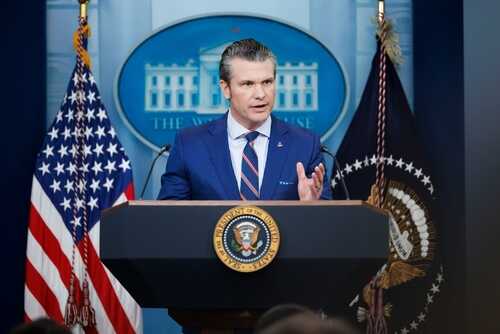
Defense Secretary Pete Hegseth watched a live video feed of the initial strike from a secure facility, then said he “moved on” to his next meeting before the second strike occurred. He later learned that the disabled boat had been struck again, killing people in or near the water, and he has publicly defended the operation as having “eliminated the threat.” Hegseth has stressed that Navy Adm. Frank “Mitch” Bradley, the operational commander, acted under approved guidance and that Pentagon leadership “has his back.”
The Pentagon has indicated that the second strike fell under a standing contingency plan drafted before this operation, not a spur-of-the-moment battlefield call. That admission cuts both ways for constitutional conservatives. On the one hand, it suggests a deliberate strategy to treat certain cartel-linked vessels more like hostile combatants than criminal suspects, reflecting frustration with narcotics flows that poison U.S. streets. On the other hand, it raises serious questions about whether unelected planners quietly expanded the circumstances under which Americans wield lethal force without the kind of clear, public debate and congressional authorization that the Constitution envisions.
Congressional Fury Over Secrecy and Oversight
Members of Congress from both parties are reportedly outraged by how little they were told about the new authority, the targeting rules, and the survivor contingency plan. Lawmakers have complained about delayed, incomplete, and heavily classified briefings that leave basic questions unanswered: how the boat was validated as a drug target, what intelligence supported the threat assessment, who was on board, and what alternatives were considered once people were in the water. That anger has prompted demands for further classified sessions, documents, and possibly formal investigations.
Congressional oversight is not a partisan luxury; it is a constitutional duty. When lethal force is used outside traditional war zones, especially in operations that risk creating precedents for targeting survivors, the legislative branch must understand and, where appropriate, constrain executive power. Conservatives who watched the previous administration hide behind “classified” labels to push woke agendas and opaque foreign adventures will recognize the pattern: when everything important is secret, voters and their elected representatives cannot hold anyone accountable. That dynamic undermines both the rule of law and trust in the institutions meant to defend the nation.
What This Means for Rule of Law, Cartels, and Trump’s America First Agenda
This controversy lands in a country still scarred by years of open borders, cartel empowerment, and drug-fueled chaos that Trump voters demanded Washington finally confront. The alleged Venezuelan-linked boat fits a familiar picture of transnational criminals exploiting weak states to flood the U.S. with narcotics. Many conservatives will instinctively support hitting cartels harder and earlier, especially at sea, where there are fewer civilians nearby. Yet even the toughest law-and-order approach must stay anchored in clear rules that respect constitutional checks, human dignity, and long-standing targeting norms.
If Pentagon lawyers can quietly redefine smugglers at sea as quasi-combatants and build in lethal options for survivors, similar logic could migrate into other arenas, including domestic security and border enforcement. That possibility should concern anyone who opposes government overreach, mission creep, and permanent emergency powers. The coming classified briefings from Adm. Bradley and potential follow-on investigations will test whether Congress is willing to reassert its authority, demand transparent legal standards, and ensure that a righteous fight against cartels does not become an open-ended license for secret war.
Watch the report: New details emerge about the second strike on a suspected drug boat
Sources:
New details emerge about controversial Sept. 2 strike on alleged drug boat that killed survivors
Killing of survivors sparks outrage – but entire US ‘drug boat’ war is legally shaky